

Bike Reviews
Bajaj Pulsar 125 and Pulsar 150 first ride review: Back to basics?
25 years after first being unveiled, the Pulsar 150 and 125 get overhauled to bring the ‘classic’ Pulsars to the new era. Has Bajaj stuck the landing?
25 years. That’s how long it has been since the Pulsar rolled out of Bajaj’s plant for the very first time. And the rest, as they say, is history. As a part of its ongoing 25 year celebrations, after the Pulsar N160 SS, Bajaj has finally taken the scalpel to the ‘classic’ series Pulsars and launched the Pulsar 125 and Pulsar 150. These twins are ground-up new motorcycles that bring the ‘classic’ Pulsar range to this era. With a new design, new frame, new engine, and given that it is 2026, a whole plethora of new tech, is this the step forward that the Pulsar 125 and 150 needed?
Bajaj Pulsar 125 and Pulsar 150 design
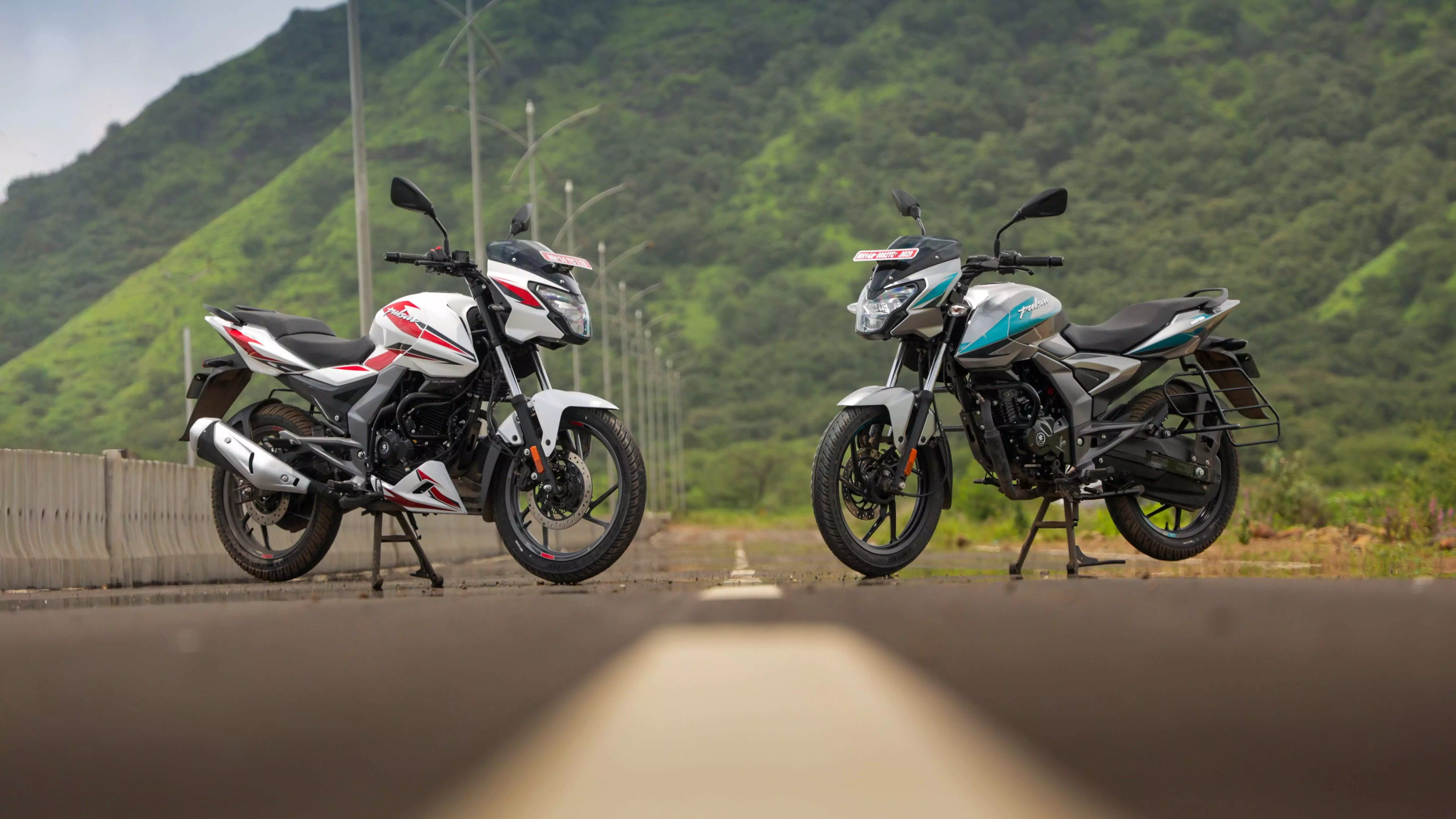
The new Bajaj Pulsar 125 and 150 continue to bear that iconic Pulsar silhouette but the design has been modernised in all ways. Right from the headlight, you get a new LED setup and the wolf-eye DRLs make a comeback. It also gets the small windscreen like the older Pulsars and a tall clip-on handlebars that immediately inform you that you are afterall riding a Pulsar. But nestled above the ’bars is a 5-inch LCD or TFT screen instead of the semi-analogue cluster that graced the older Pulsars. In typical Pulsar manner, the bikes also get a bulbous, muscular fuel tank which holds up to 11-litres of fuel in the 125 and 15-litres in the 150. Continuing from there you get a long seat which is either a single unit of a split-seat design basis which variant you get. The rear continues to get the two strip tail light but as with the rest of the design, it is sharper and more modern looking with the light strips almost bleeding on to the rear seat as well. The round, barrel exhaust makes way for a new sharper looking unit which has a different tip on the 125 and the 150. The 150 also benefits from a belly-pan to make it look beefier. There are other elements like the colour and graphic treatments that set the Pulsar 125 and 150 apart but I'm going to leave that for you to spot. What I will tell you is that the bikes certainly look stunning and new while retaining that Pulsar silhouette that we know and love. Fit and finish levels are great for the most part, but certain things like the bouquet of wires tucked behind the handlebar could be better executed.


Bajaj Pulsar 125 engine, performance, chassis ride and handling
As aforementioned both bikes have been built from the ground up, with little to no components being carried over from before. Starting with the 125, it gets a brand-new 124.58cc, air-cooled, single-cylinder engine that makes 11.9hp at 8500rpm and 10.9bhp at 6500rpm. This engine is cradled in a brand-new steel diamond tube frame that is suspended off of a 31mm telescopic fork upfront and a monoshock at the rear. Thumb the starter and the engine quietly whirrs to life at a single press, courtesy of the ISG. What you do hear however is quite the baritone, for its displacement, exhaust note. Pull the clutch in and slot it in gear and you immediately realize just how light the clutch pull is and how slick and tactile the shifts are. The engine (both the 125 and the 150) has been designed to offer 85 per cent of its peak torque from as early as 3000rpm and that certainly shows. The motor is plenty tractable and it also benefits from the crawl function that keeps the bike ‘crawl’, as the name suggests, forward without needing to give any throttle input at speeds that you would otherwise simply stall at. An absolute godsent in rush-hour traffic. That being said, while the bike is tractable, it feels like it really picks up speed only after 5-6000rpm, something that the 150 handles better (more on that later).As far as performance is considered, both the 125 and 150 are faster than the models they replace in every measurable metric. But they do lack the outright feel that the older Pulsars had. That rowdy, brash nature of the power delivery has gone and I’m fairly certain the reason for that is emissions. The emission norms have become supremely strict and that means that unless you have big horsepower numbers to play with, you can’t expect an engine to retain the same character that it did in simpler times. That being said, Bajaj has doubled down on the refinement-levels and ensured that the NVH levels are amongst the best that the brand has ever gotten from a bike. The engine is really smooth. Japanese smooth. Even close to redline, there are hardly any vibes to speak of and everything seems smooth, across the rev range. In terms of cruising, you can comfortably cruise at 70kmph with the tachometer sitting just under 6000rpm, all day long, with zero complaints.


On the chassis front, with the new engine and the new frame, Bajaj has managed to shed close to 15kg over the model it replaced with the new Pulsar 125 tipping the scales at 131kg. This makes the bike very nimble and agile and most importantly, coupled with the low 795mm seat height and narrow waist section, the bike is accessible to riders of all shapes and sizes. The ergonomics too are that of a commuter with a sporty intent and it works rather well for the sort of bike it is. Feet just below you, arms reaching out to a tall and fairly wide handle bar and a seat that is cushioned well enough to handle daily commutes without the slightest hint of fatigue. The suspension setup is also set up quite nicely and handles most of what our roads surprise us with quite nicely. It doesn’t feel like the most sophisticated setup, but for the sort of speeds you’d be doing on it, it’s plenty capable. Handling was never really a hallmark characteristic of the Classic Pulsar series. But with this new chassis, which Bajaj claims is 60 per cent stiffer than before, it certainly seems like the bikes have taken a step towards sharper, more predictable handling. Bajaj has always maintained that the ‘Classic’ series represents affordable performance, the ‘N’ series is the beacon for practical performance and if you want a no-compromise performance package, you get a NS. That certainly is the case, but the Classics too handle much better now. Braking on the Pulsar 125 is taken care of by a 260mm disc at the front and a 130mm drum at the rear with a CBS (combi-brake system). Braking performance seems adequate for the amount of grunt that the bike has but I would appreciate a bit more in terms of initial bite. This is something I may not have noticed if I didn’t ride the Pulsar 150 right after. Because that’s also when I felt that the suspension on the 125 is not as good as it is on the 150.


Bajaj Pulsar 150 engine, performance, chassis ride and handling
The Pulsar 150 gets a larger 149.5cc, oil-cooled, single-cylinder which makes 13.8bhp at 8000rpm and 14.1Nm at 6500rpm. The eagle-eyed amongst you would have also noticed that the peak power comes in 500rpm earlier. And apart from having outright more grunt than the 125, in terms of numbers, the bike also feels more eager to get going from lower revs, making the bike that much more effortless to ride. All the praise about the 125’s tractability, refinement, crawl function and slick clutch and gear action holds true for the 150 as well. But as you would expect it to, it does all of that with more headroom, a little more urgency, while also having more left in reserve. Like the 125, this too doesn't have the same kind of oomph as the previous 150 did. But over the 125, on the 150, you can comfortably cruise at 80kmph+ with the tachometer hovering around 6000rpm in fifth gear.


On the chassis front, the main frame is largely the same, but the 31mm fork is swapped for a 33mm fork and that has a marked improvement on ride quality over the Pulsar 125. The 150 brings in a layer of composure and sophistication which you really wouldn’t find lacking on the 125, until you ride the bigger sibling. It handles bumps and ruts with a bit more poise. This could be down to the thicker diameter fork and also the fact that it weighs nearly 10kg more than the 125 at 141kg. That being said, it is 9kg lighter than the model it replaces and it certainly feels that way. The handling chops, like with the 125, definitely feel like a step in the right direction, straddling the line between commuter comfort and sporty rather nicely. Both the 125 and 150 get the same 80-section front and 100-section rear tyre. In the dry and occasional wet conditions that we rode in, grip levels were plenty. Braking is another thing that the 150 does better than the 125 with a 260mm front disc and a 230mm rear disc with a single-channel ABS system. Braking feels more urgent and responsive and the safety net of ABS, even if it’s single-channel, is good to have.


Bajaj Pulsar 125 and 150 features
Both the Pulsar 125 and 150 get LED headlights and taillights. But the 150 gets LED turn-signals while the 125 gets traditional bulb-style indicators. There are plenty of variants to choose from on both bikes that range from split to single seats and two different types of instrument clusters. The base variant on both get a 5-inch LCD screen which shows plenty of information including turn-by-turn navigation if paired with Bluetooth. The Pulsar 125’s mid and and one from top variant gets the 5-inch colour TFT screen that, at the moment, doesn't get turn-by-turn navigation, but this will be patched with an update soon. The mid variant of the Pulsar 150 however gets turn-by-turn navigation. The top variant of both models benefits from Wi-Fi in the cluster too and this, like on the N160 SS, allows you to run full-screen Google Maps navigation on the cluster itself. That’s pretty cool for a commuter motorcycle to have. Other features include the crawl function and ride modes, which honestly both bikes could do without.


Bajaj Pulsar 125 and 150 verdict
Prices for the Bajaj Pulsar 125 range from ₹93,000 to ₹1.04 lakh, ex-showroom, while prices for the Pulsar 150 range from ₹1.15 lakh to ₹1.23 lakh. At this price, both bikes offer exceptional value for money for the sort of performance and features that they come packed with. Features that most bikes in the segment and maybe even the segment above don’t get. In terms of performance, these aren’t the most exciting bikes out there and they aren’t trying to be. What they are are solid, well-performing sporty commuters, exactly like the OG Pulsars. Yes they’ve lost the raw, aggressive feeling but instead you’re getting better handling, more features and significantly better refinement. And if I were in the market for a slightly sporty commuter motorcycle these pros certainly outweigh the cons for me. And the Bajaj Pulsar 125 and 150 would certainly be high up on my consideration list.