

Bike Reviews
Yamaha R2 first ride review: No VVA, no DeltaBox, no problem?
The Yamaha R2 promises to pick up where the R15 left off. Does it manage to do that? And is this now the new go-to in the sub-250cc supersport class?
The Yamaha R15 is one of the most iconic and impactful motorcycles of our time. It introduced us mere mortals to the idea of a small capacity, lightweight scalpel of a supersport motorcycle that was as aggressive as it was accessible. Technologies that were exclusive to superbikes were made available on a 150cc bike courtesy of Yamaha’s foresight for the segment. Almost overnight it became the benchmark of handling, performance and value in its segment. Then when Yamaha launches its successor, the R2, over 18 years after the launch of the first R15, you know it has big shoes to fill. On one side, there’s the fact that the R2 has the most power, tech and weighs the least in the segment. On the other hand, there’s the fact that the bike misses out on VVA and a DeltaBox frame. Are these omissions going to come in the way of Yamaha R2 carrying forward the legacy of the R15? We got to spend some time with it at Madras International Circuit to find out.
Yamaha R2 engine and performance
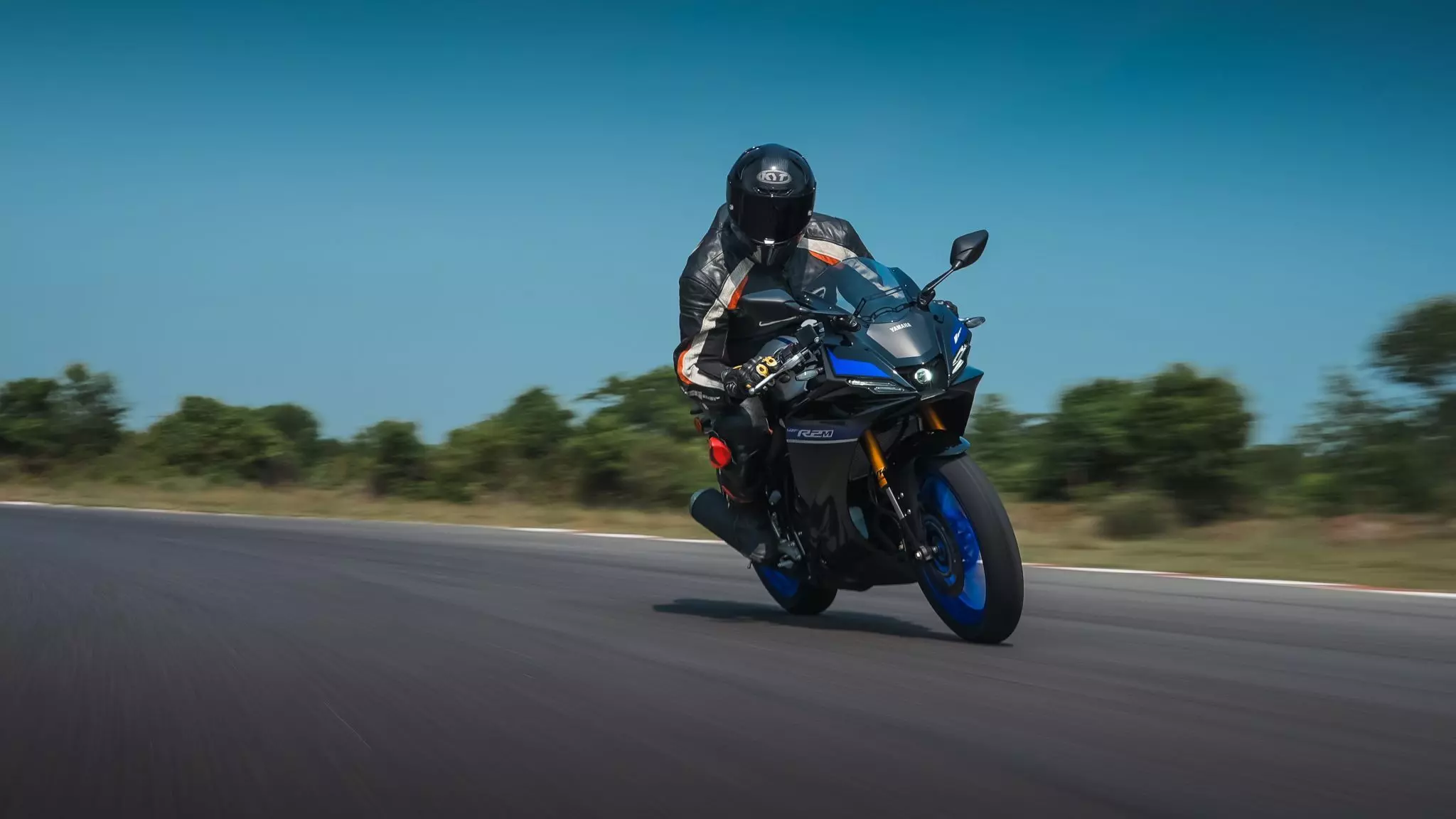
Powering the Yamaha R2 is a brand-new 204cc, liquid-cooled, DOHC, four-valve engine. It also gets electronic throttle bodies which means ride-by-wire. Yamaha tells us that because the motorcycle gets a DOHC head and ride-by-wire, it didn’t need to add VVA to the engine, and to a large extent, I agree with this decision. Start the motor and you’re greeted by a very typical, high-compression single-cylinder sound. But with the added element of classic Yamaha refinement. To get going, you pull in a very light clutch lever and once you set off you’re immediately made aware of the fact that this is a proper screamer of an engine. It loves to be revved all the way to the redline and does so with a lot of refinement. That proper ‘shove’ comes in after 6000rpm and it’s a hoot to redline each gear. That being said, don’t mistake this rev-happy nature for a lack of bottom-end performance. Yamaha has managed to tune the engine to make enough grunt low-down and in the mid-range too. It’s just that the mid-range is not as potent as it was with VVA. But you can still drive out of a corner even if you carry a gear higher, it’s just that it does not dart out with as much urgency as it would if you had selected the correct gear. But that, in my opinion, is exactly what makes it an exciting bike to ride. It’s got a bit of a duality. For someone just setting out, they have the room to explore, make mistakes and have a good time. And as you level up, you get to explore the upper echelons of its performance and realise that it’s the sort of bike that needs to be flogged and kept on the boil to extract all the performance and isn’t that exactly what you want a supersport machine for?
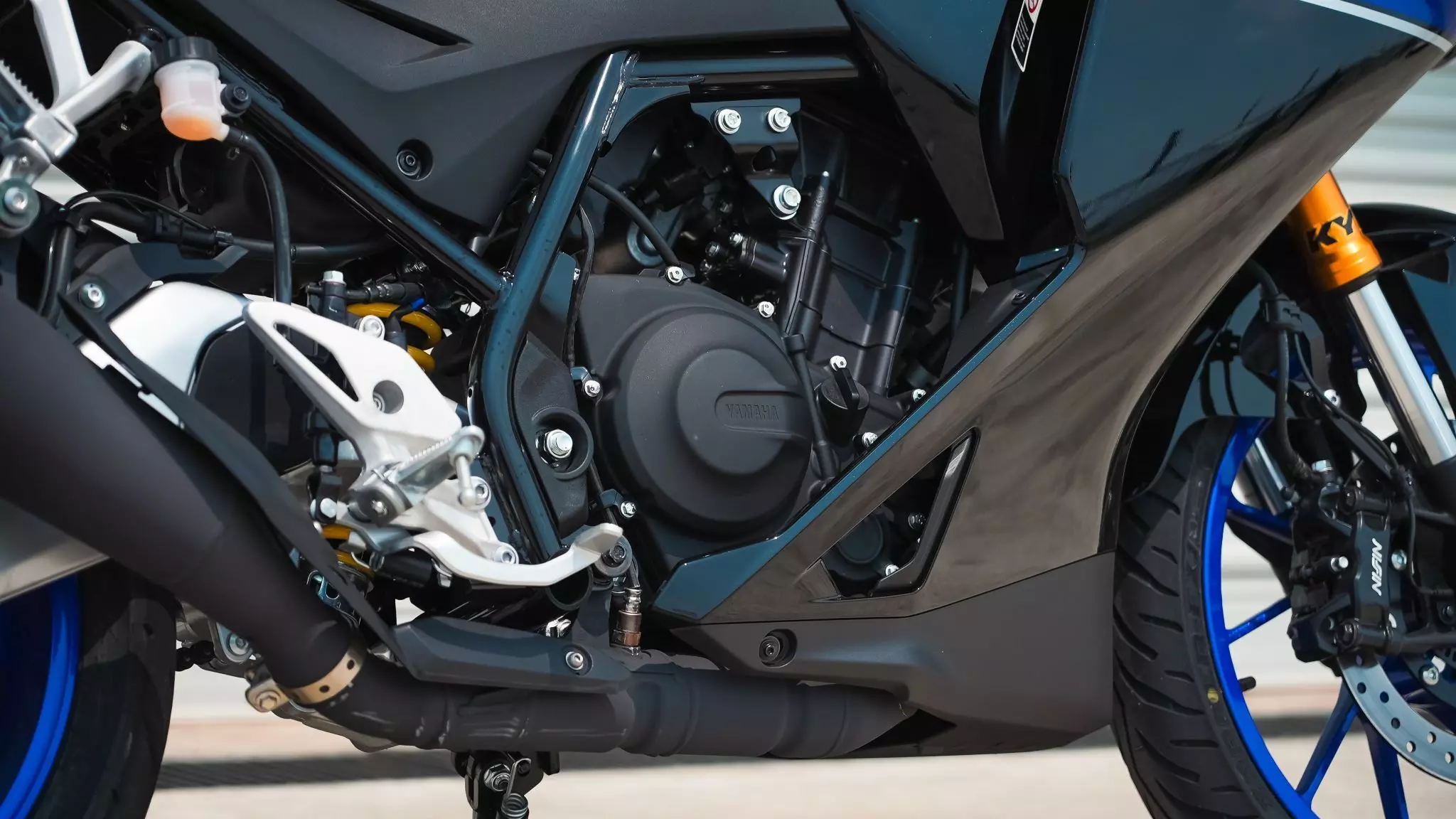
Speaking of numbers, the motor is good for 26bhp at 10,000rpm and 19.1Nm at 8000rpm. This makes it the most powerful motorcycle in the segment and it certainly feels that way. At least in the confines of a race track. Now while the performance is great, acceleration is sorted and throttle response is predictable and linear, if there’s one thing that needs working on, it is the gearbox. The six-speed unit didn't feel as tactile as we would have liked with shifts feeling a little mushy. The travel between each gear change feels short and that positive ‘click’ feeling is absent. This is exactly what affects the quickshifter as well. You don’t always realise if you’ve made the shift or not. Barring that the motor is solid and definitely a step forward in terms of performance over the R15. And as far as the VVA thing is concerned, trust me, once you spend some time with the R2, you genuinely won’t miss it.
Yamaha R2 chassis, ride and handling
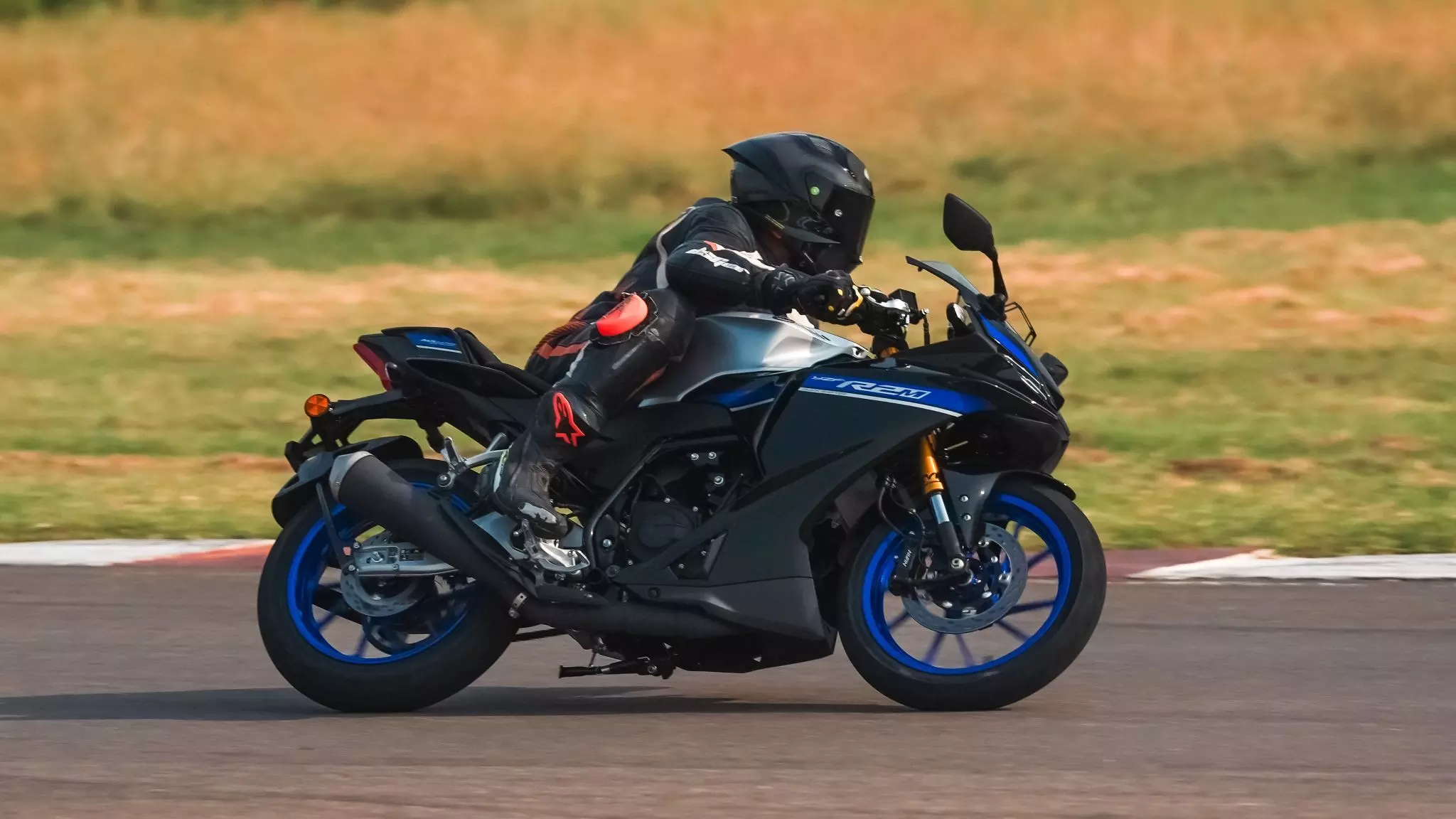
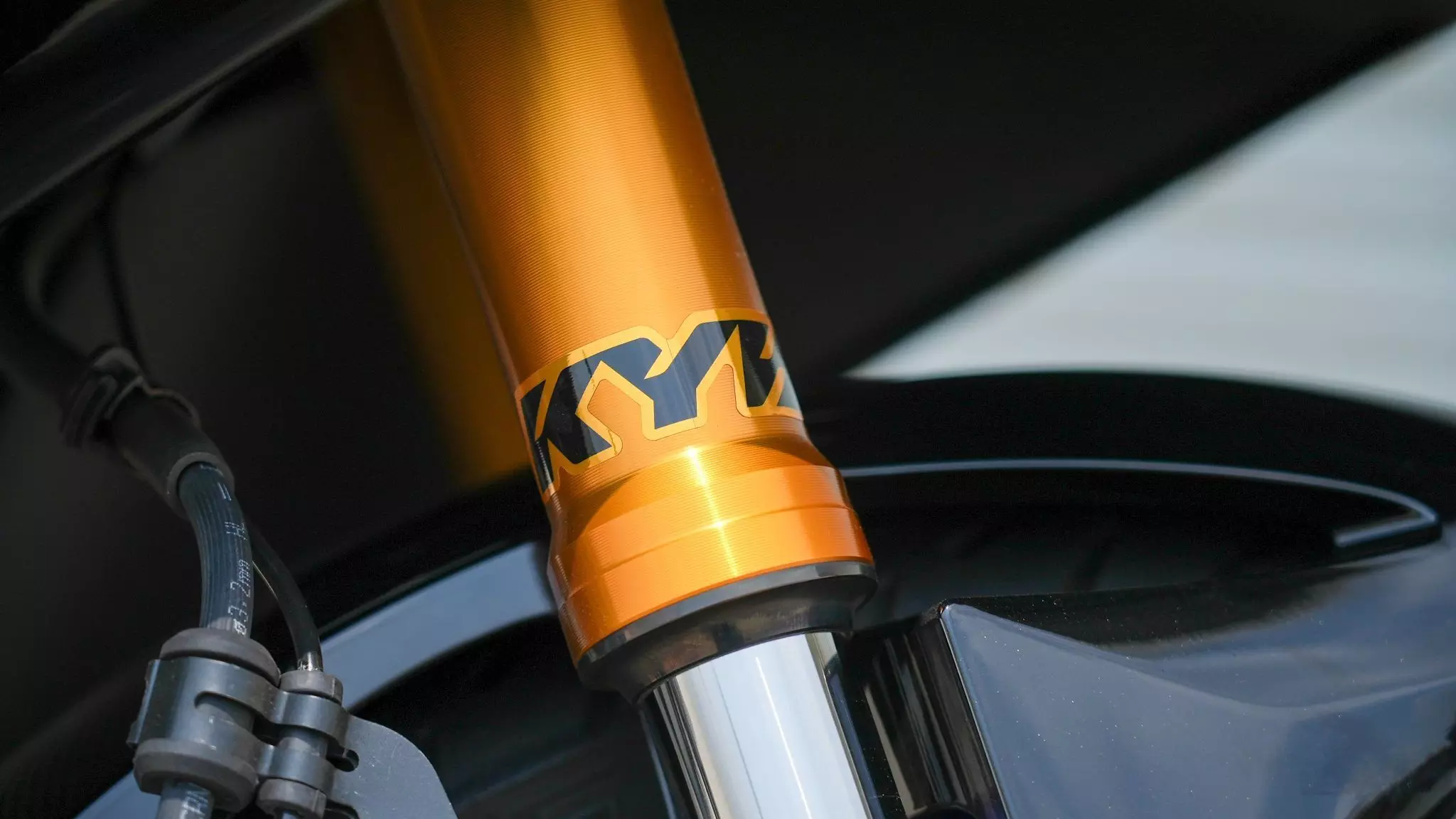
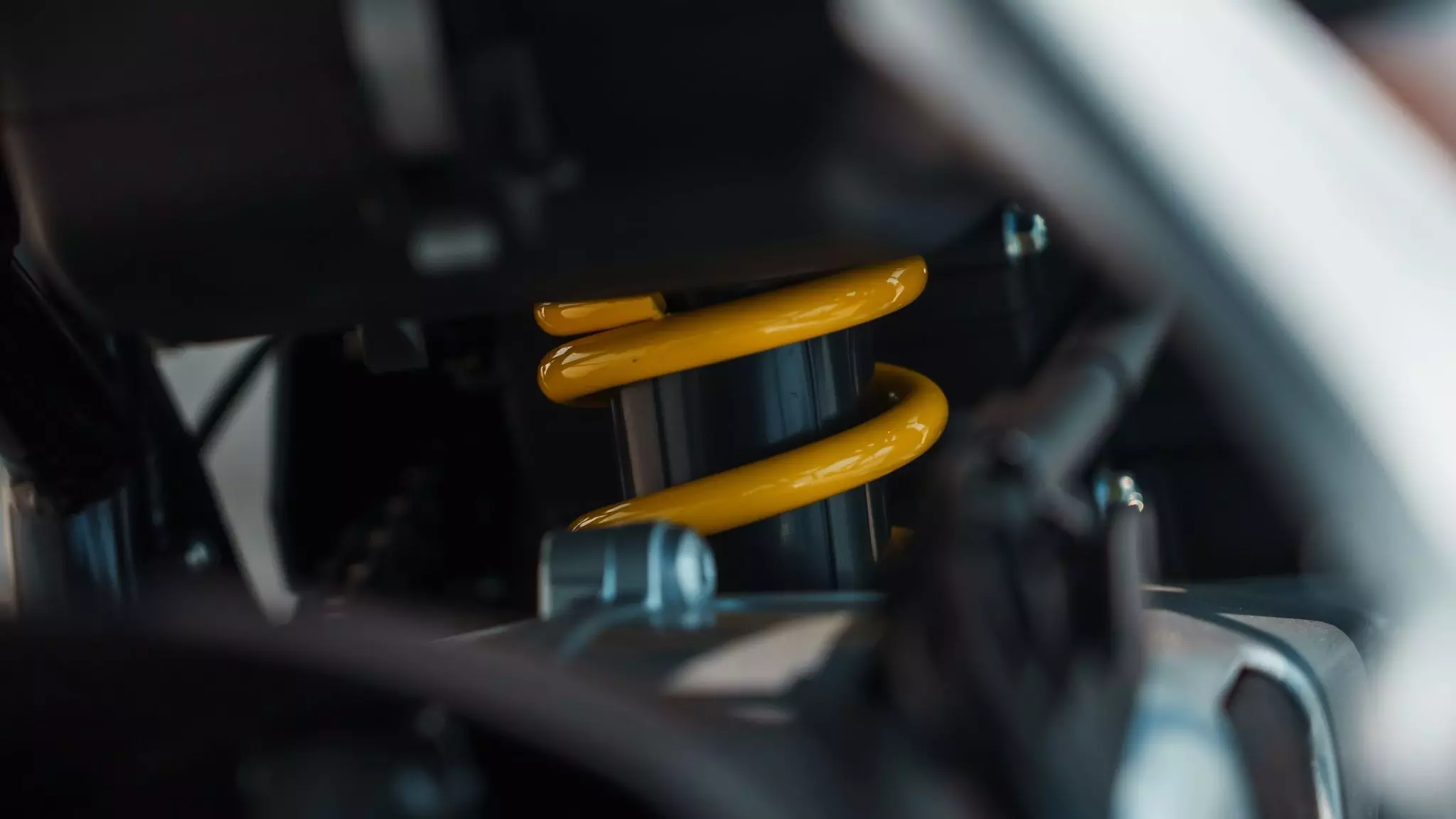
And then there’s the chassis. There was a big uproar when Yamaha announced that it would be ditching the DeltaBox frame in favour of a more traditional steel-tube Diamond frame. Is this a problem? Not at all. The R15 was, in simple terms, an exercise of over-engineering. For the sort of performance it had, it didn’t really need the DeltaBox frame. And what Yamaha has focused on with the R2 is ensuring it stays light. To that end the frame alone weighs 2.8kg less than the frame on the R15 and despite weighing 149kg with the fuel tank brimmed, 8kg more than the R15, it feels as agile and surefooted, plus it has all the extra performance. What this translates to is a motorcycle that is borderline telepathic. It steers on a dime and feels very stable when fully leaned over. This is courtesy of its 1340mm wheelbase, the MotoGP-inspired die-cast aluminium swing arm and stellar suspension setup. Speaking off, it gets a 37mm KYB fork at the front and a KYB monoshock at the rear. Both are adjustable for preload on the R2 M variant that we were riding. But given the short amount of time we got with the bike, I didn’t bother setting the preload and it was still perfectly fine. It’s plush enough to handle mid-corner undulations without unsettling the bike and still feels firm enough to let you put those fast laps in.
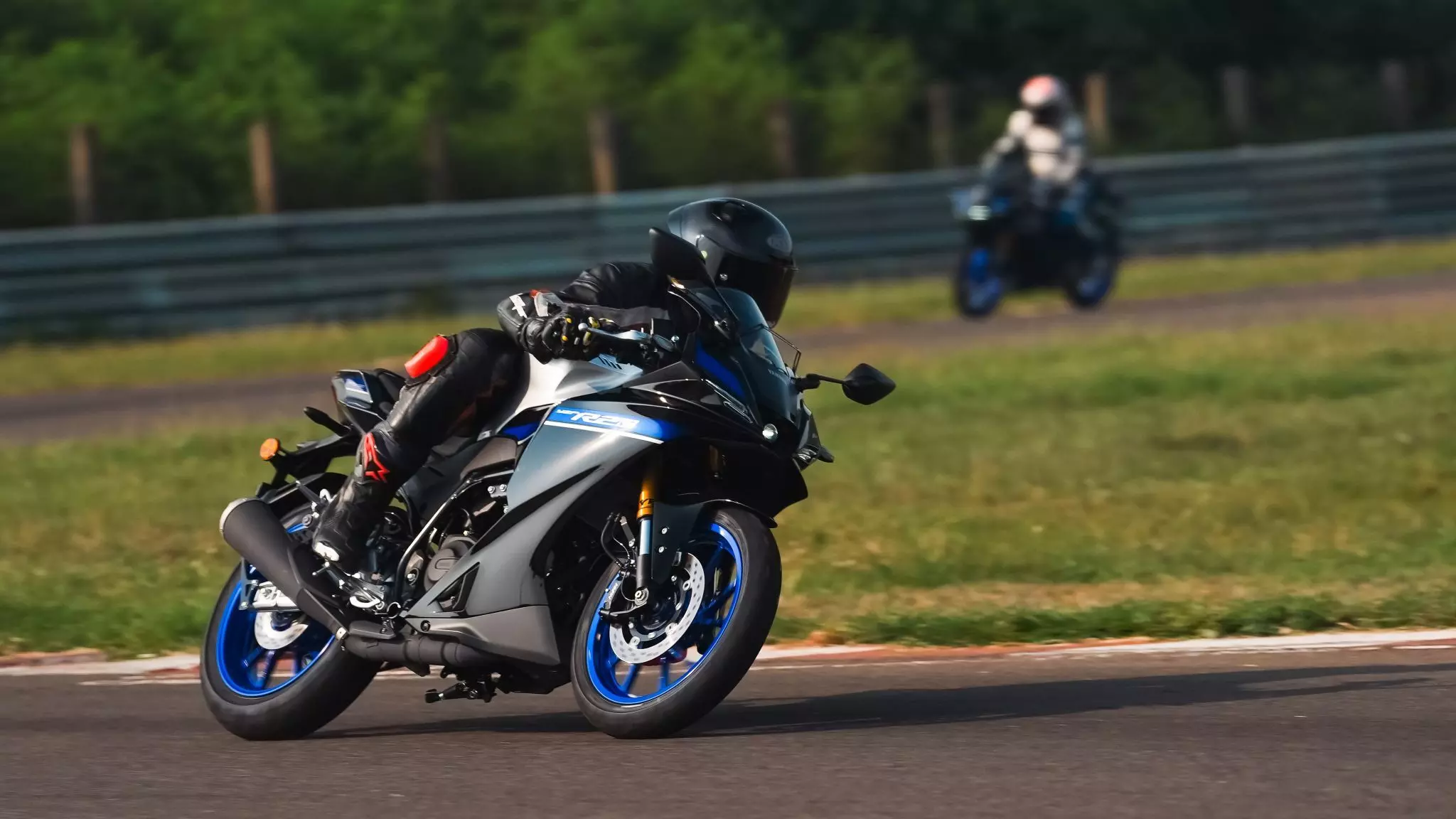
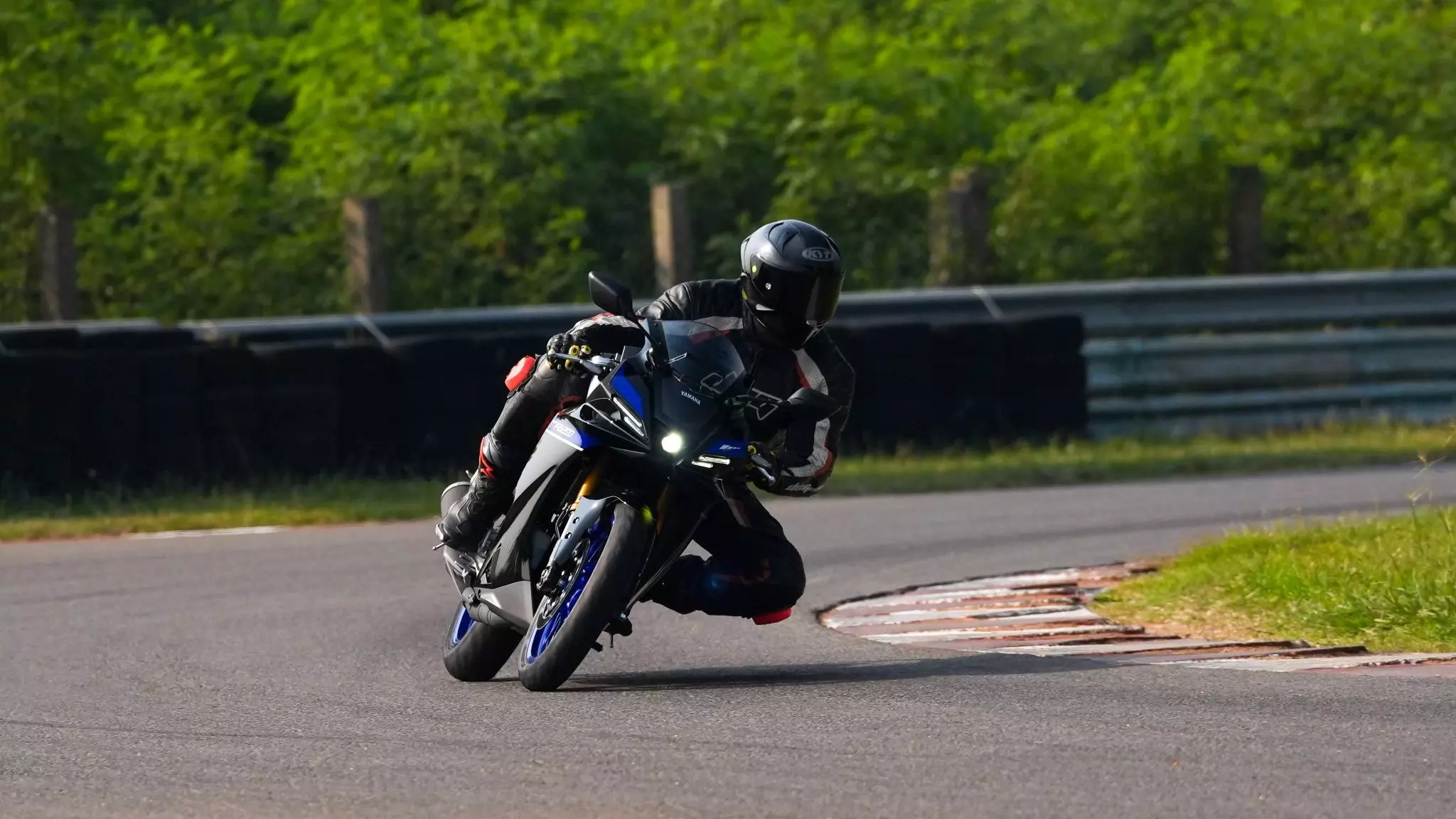
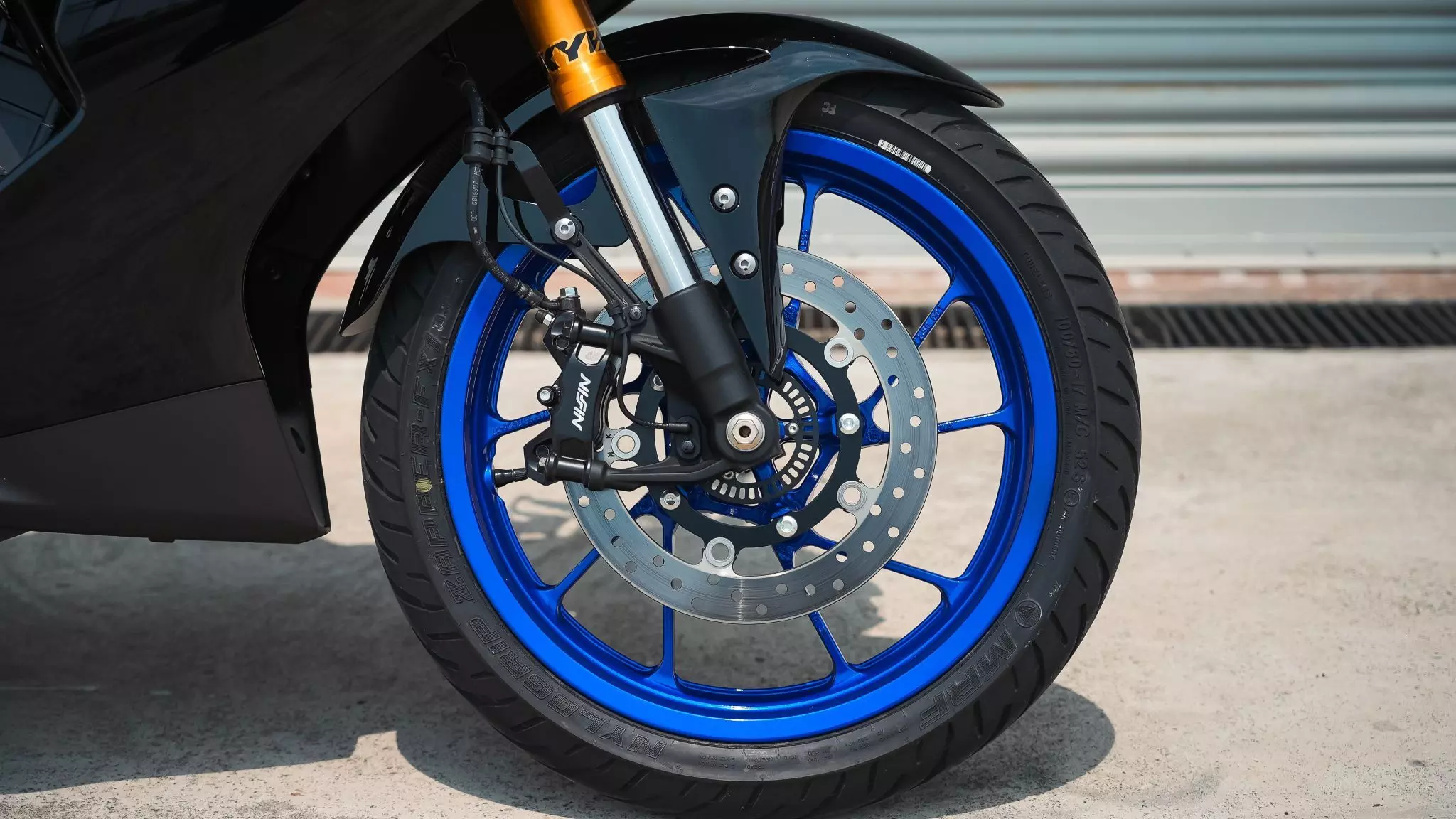
The next big change comes by way of slightly more relaxed ergonomics. The handlebar sits a little taller and the footpegs, which are adjustable, sit a little lower in its default setting. This immediately makes the bike more accommodating for larger riders. The R2 slots in perfectly in between the R15 and the R3 in terms of its ergonomics. The best part is that the more comfortable setup does not come at the cost of cornering clearance. Even with my bulky frame, I scraped the foot pegs only once. So that’s another big step forward on the chassis and liveability front. Braking is taken care of by new hardware as well. A 282mm disc at the front with a new Nissin, four-piston radial calliper. And a 220mm disc at the rear with a single-piston calliper. Braking performance is solid for the most part. There’s enough initial bite and braking pressure is linear after that. One thing to note is that towards the end of our 20-minute session, brake fade did seem to start. While not too much it is something to keep in mind. Maybe overhauling the brake lines, using a higher grade brake fluid and pads should address this. That being said, I don’t think this will be a problem in the streets. The biggest chink in the R2’s chassis armour are the tyres. The 100-section front, like on the R15 continues to be a bias-ply and that really limits the potential of the chassis when you start to push. Fixing this will genuinely unlock the true capabilities of what is otherwise a stellar chassis setup.
I can’t tell you what the R2 is like on the road just yet because all we got is 20 minutes on the race track, but if that was any indication, you can expect a bike that is refined, easy to ride and easier to live with courtesy of the reworked ergonomics. But this all will be verified when we get to do a proper road test of the Yamaha R2.
Yamaha R2 design and features
The R2 carries a design language which draws from Yamaha’s super sport DNA from bigger models like the R9. It sports an aero-focussed fairing, embellished with all-LED lighting and a block-shaped taillight emulating the flagship, YZF-R1. In terms of colour options, the base variant gets in Metallic Black & Dark Bluish Gray with all-black alloys; the mid-variant gets Matte White Pearl & Racing Blue finishes; while the top-spec, R2 M is optioned in a Metallic Gray paint with 3D embossed emblem, faux suede seat cover, silver painted swingarm and shot-blasted muffler tip in a high-gloss finish like the R1. As we’ve come to expect from Yamaha, fit and finish levels are solid and the design is one that you will truly appreciate when you see it in the flesh.
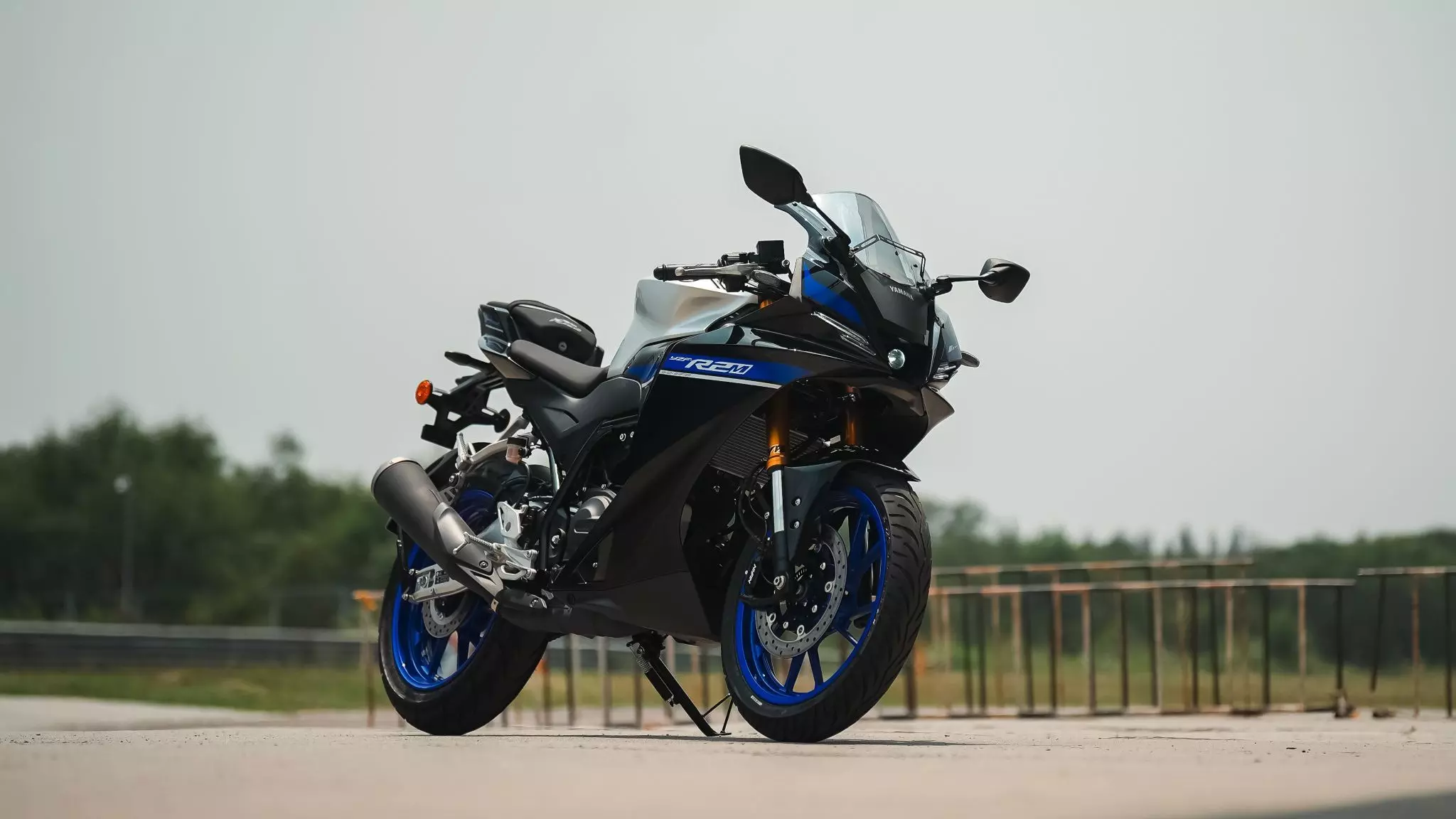
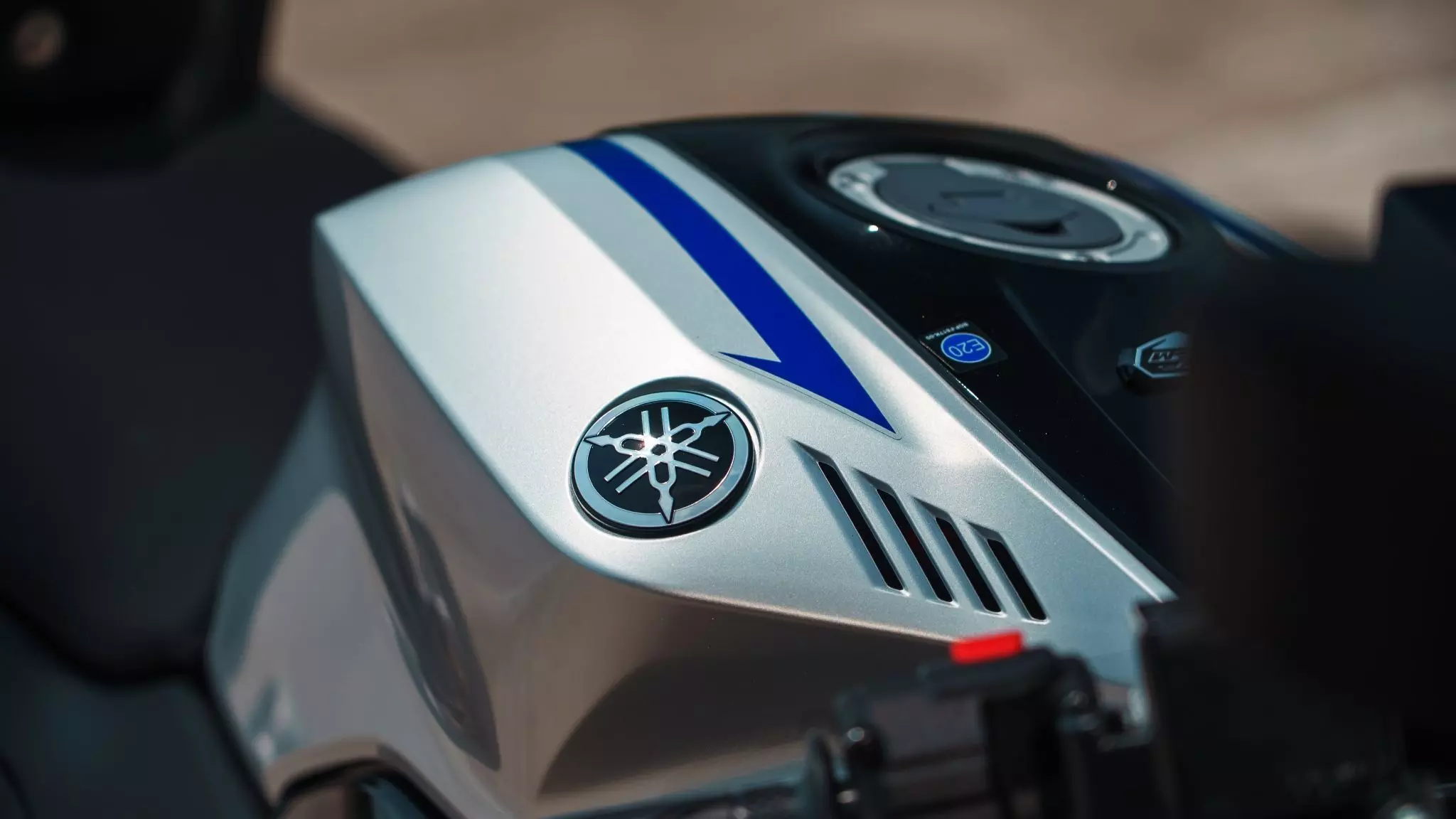
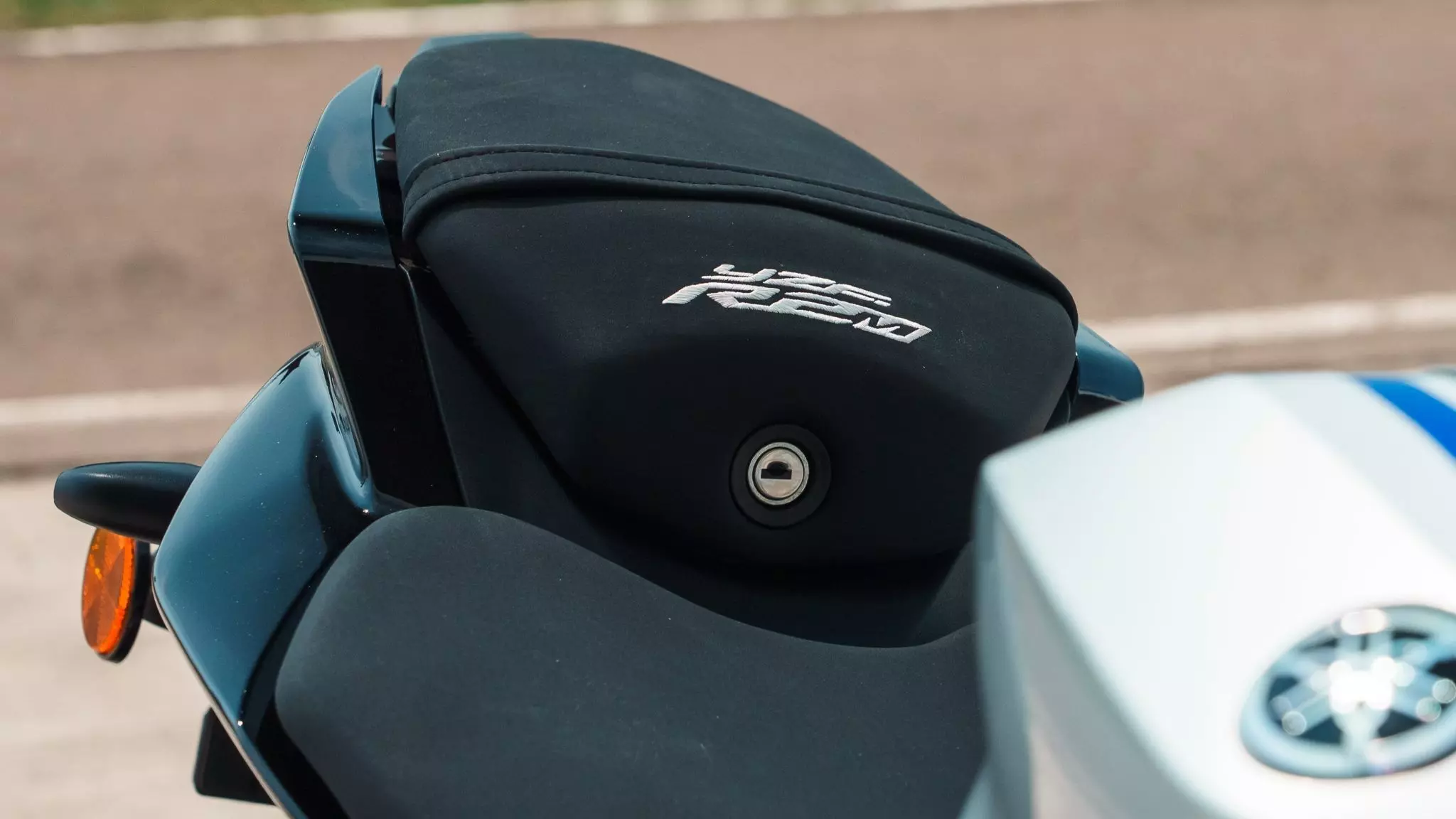
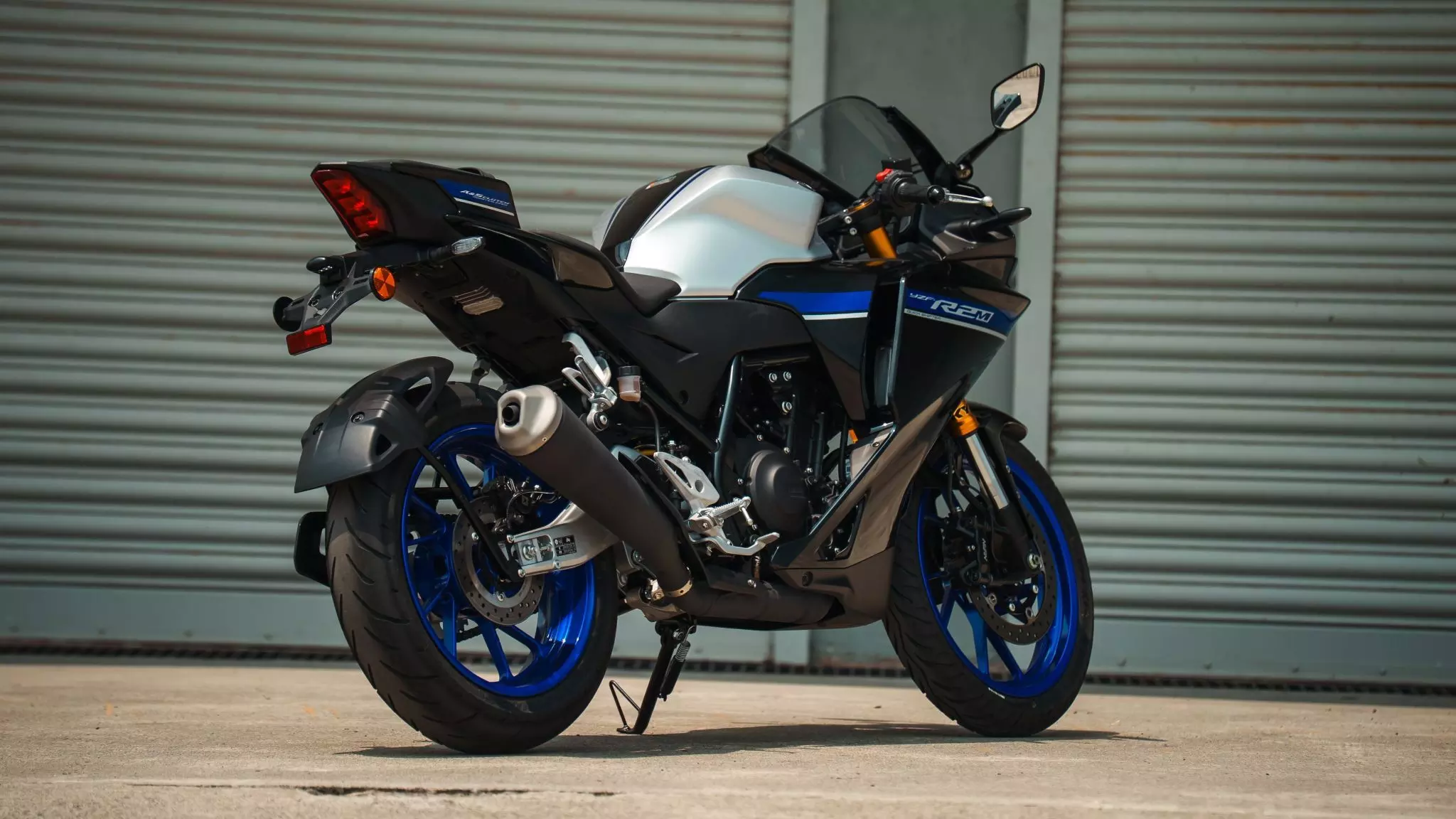
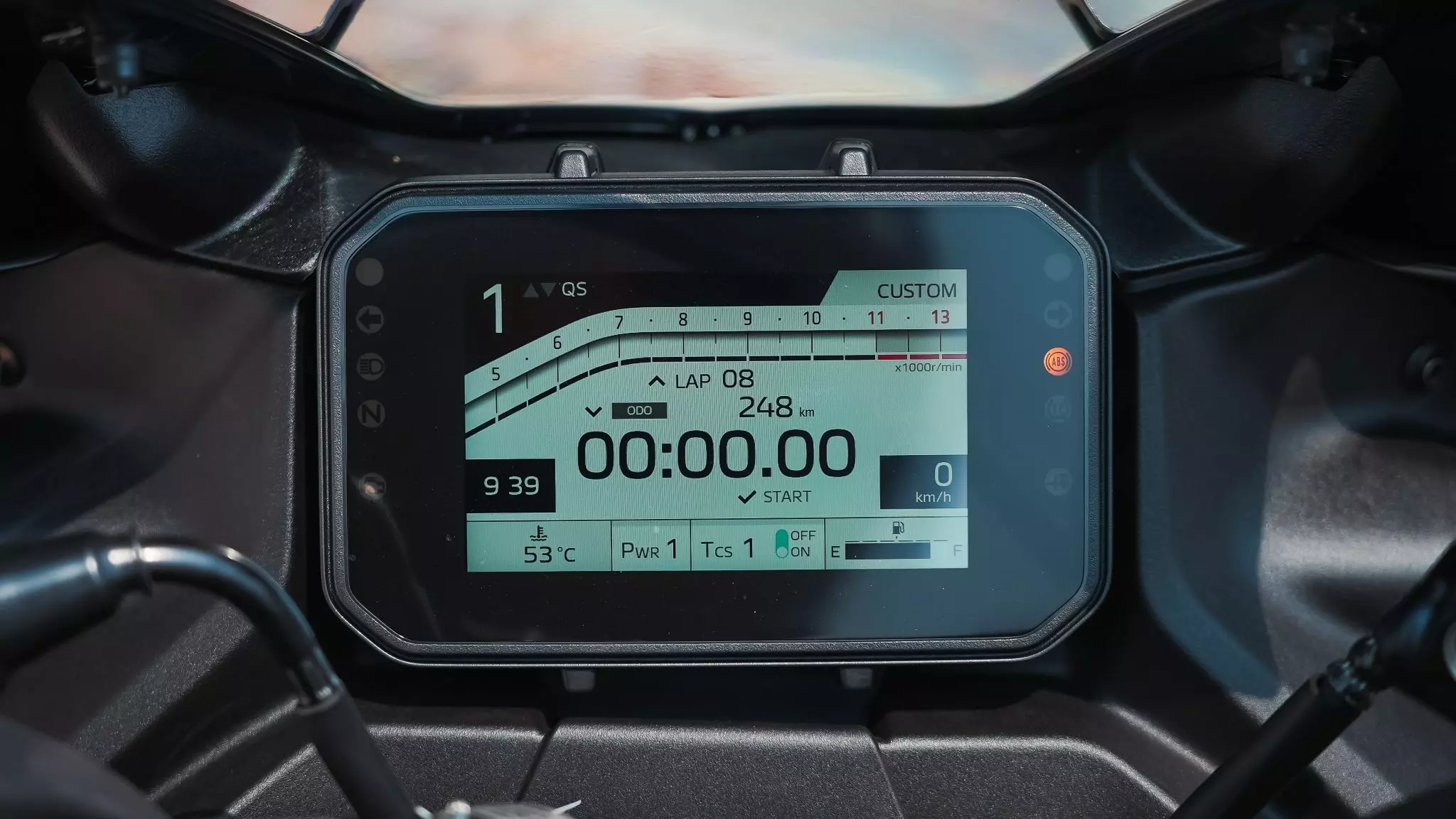
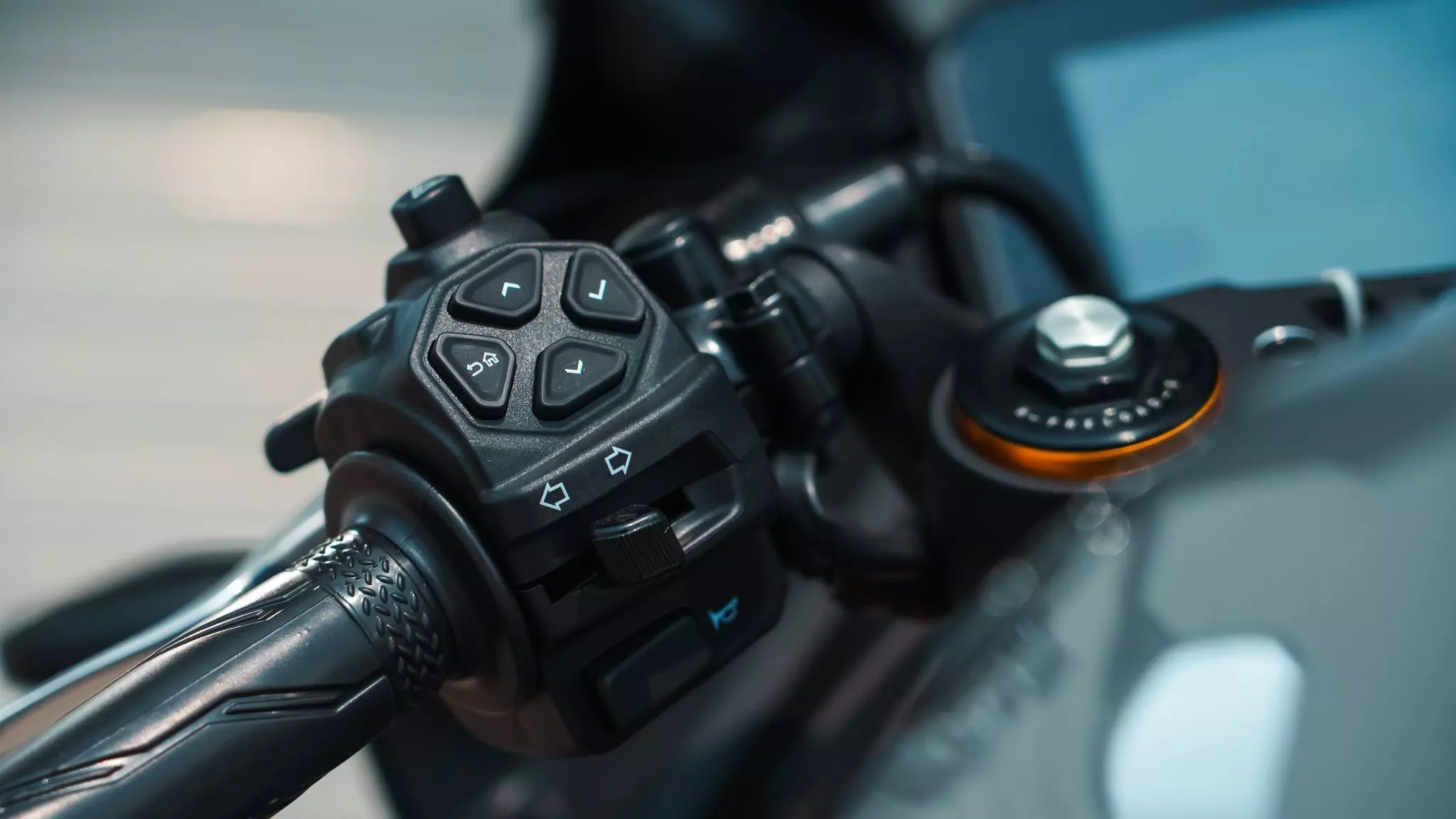
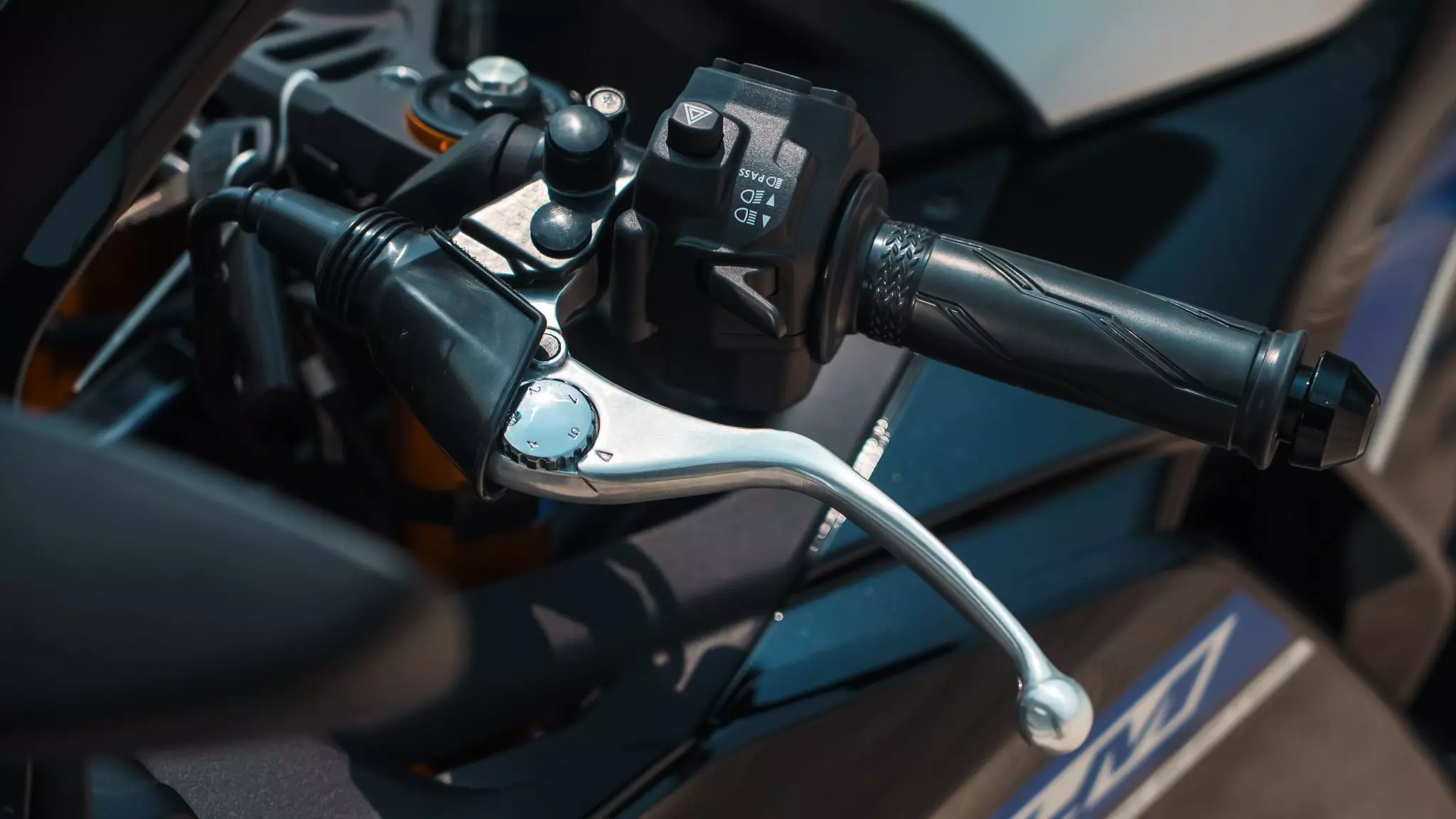
Yamaha has given the R2 a bevy of safety tech such as Traction Control System (TCS), an Assist & Slipper Clutch, dual-channel ABS (standard), Yamaha Ride Control (YRC) with selectable riding modes (Street, Sport and Rain) and a 3rd-gen bi-directional quick shifter. Other features include a 5-inch full colour TFT instrument cluster screen and the R2 M also benefits from Smart Key System (keyless ignition), preload adjustable front fork and monoshock, and adjustable clutch and brake levers. So on the features front, the R2 and especially the R2 M gets a fat brochure filled with genuinely usable kit.
Yamaha R2 verdict
Prices first. The base Yamaha R2 costs ₹2.30 lakh, while the R2 (Quick Shifter) variant is priced at ₹2.39 lakh and the top-spec R2 M that we rode is priced at ₹2.53 lakh (all prices are ex-showroom). At this price, it demands a fair premium over the R15 but I feel like it does a good job of justifying its price tag for all the extra performance and kit that the R2 gets. The omission of VVA and the DeltaBox frame are not nearly as big a deal as social media is making out to be because the Yamaha R2 is a genuinely capable machine well and truly possesses the ‘R’ DNA and is a worthy successor to the R15. and that’s saying something, because the benchmark that Yamaha set with the R15 is a very tough act to follow. Should it have been a twin-cylinder that we were all hoping for, yes, but that would have made the bike even more expensive. Is the R2 perfect as it is? No, the tyres are in desperate need of changing and the gearbox could be better, but apart from that it is a fantastic machine, one that will surely help you make rapid progress on your track and sport riding journey. It’s not radical enough for me to convince you to upgrade to one from an R15 but if you are in the market for a new sub-250cc supersport, the R2 should be very high up on your consideration list.