

Interviews
“Our customers do ask for electric,” says Martin Limpert, Range Rover managing director, on demand for a luxury electric SUV
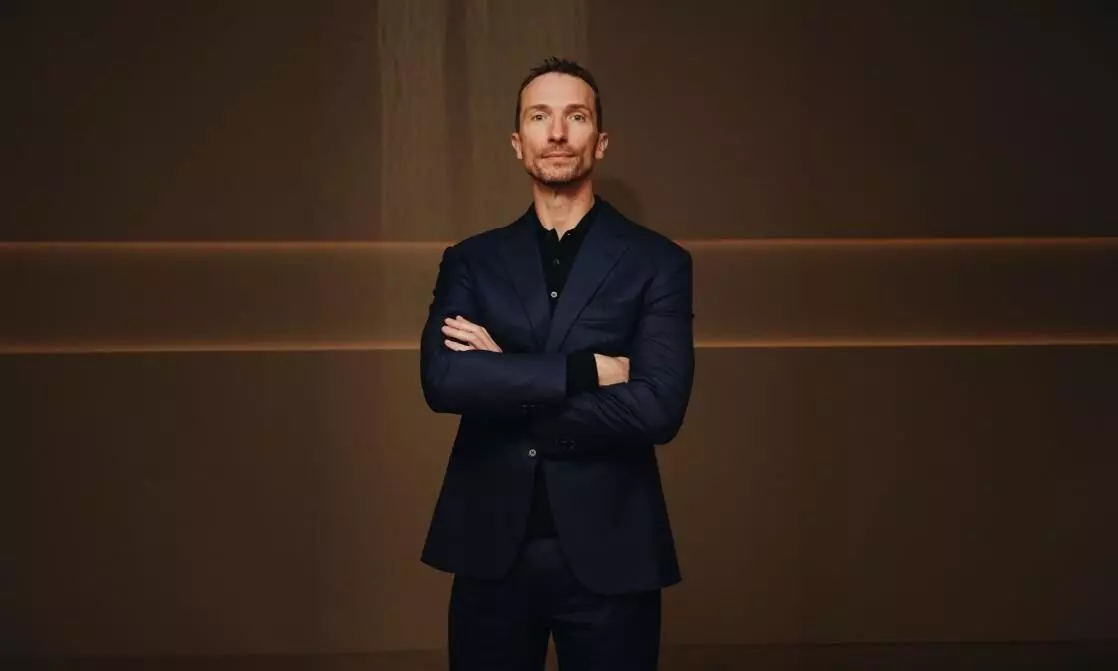
In conversation with the managing director of Range Rover, Martin Limpert
The Range Rover Electric has been in the making for a while now, delayed by at least a year to solve key technical and hardware challenges. Under wraps was the Range Rover Sport electric being developed in parallel and now both are ready to launch into an uncertain market for luxury electric vehicles. At least Martin Limpert, managing director of Range Rover, has the luxury of not having all his eggs in one basket – being able to offer petrol, diesel, hybrid, plug-in hybrid and now the electric drivetrain to suit market and customer preferences.
Range Rover Sport Electric was always part of the plan
“When we laid out, 10-11 years ago, to build the MLA platform we always knew we wanted this to be a flexible platform that can have MHEV, PHEV, ICE and full-electric vehicle capability. We wanted the public to be more excited about Range Rover Electric first and now come with the positive surprise that the Sport will also come as an electric choice, but it was always planned from the beginning.”
There were some challenges
“Through the journey we spotted challenges and we had to make sure that we get them out of the way to make sure it's a Range Rover first and not just an electric car. We didn't want to compromise. And that's why we decided we need one more season of testing and refinement to get it really to where we want it to be. At some point in the development we thought let's work with an inductive motor in the front and a permanent magnet motor in the rear. Once we tested that exhaustively, we figured that it's not delivering on the capability requirements that we expect of a Range Rover in terms of repeatability of the torque and everything that you expect. We had to change our strategy, so now we have two permanent magnet motors, one in the front, one in the rear. Now they deliver the capability and now we're in a better place. The other example is we want this to be a calm sanctuary. But the moment you eliminate the IC engine sounds, the vibration sounds, new noises come up. We had to engineer those away. It was our obsession to get it to the point that it's a true genuine Range Rover. And we took the time it took. And unfortunately, it took us a year longer.”
Our Range Rover Electric will look exactly like every other Range Rover
We were able to reduce the noise in the cabin by seven decibels
“Imagine sitting in the living room and watching TV versus sitting in the library. That's seven decibels.”
Many of our customers do ask for electric
“We have a waiting list of around 77,000 people globally, that is people who expressed an interest. Out of these roughly 70 per cent are new to the brand. When I engage with customers, especially those that have been with the brand for quite a while, they are keen. They celebrate the calmness and refinement of the car and they want the electric to just enhance that front.”
One of the key buying reasons for Range Rover is its design
“The three simple lines, the floating roof line, the waistline and the upstream sill line. You take the Range Rover logo off the bonnet, you still know it's a Range Rover. And they say, please don't change it. Even today on our Range Rover, the tail pipes are hidden even already.”
There is interest in Range Rover electric [from India]
“No matter India or other regions, depending on where the market is on electrification, we can adjust absolutely to the demand. We are not in a situation where we have to push volume. We want to have a demand and desirability driven business model. And because we build every Range Rover in the same plant in Solihull with different powertrains, we have the flexibility.”
India is a big growth market for us
“It's a strategically important market. There is big brand love in the Indian market. Obviously, the population is there, the middle class, the working class, the young generation. They are all growing into that area where we feel this is our future audience. With the free trade agreements, it really depends first of all on what powertrain because even for that, the free trade agreements are varying. Two years ago, we introduced the Range Rover and Range Rover Sport in India with local manufacturing and are really successful with this. So we keep exploring what the future setup will be. We'll not talk about pricing now because it's really about desirability in the first place and for us, electric is again an enhancement of everything that a Range Rover stands for, and that will be reflected in the pricing.”
