

Porsche Mission S unveiled: 911’s mid-engined big brother
The Porsche Mission S comes as an all-new model that previews the brand’s future design language and a planned mid-engined super sports car positioned above the 911
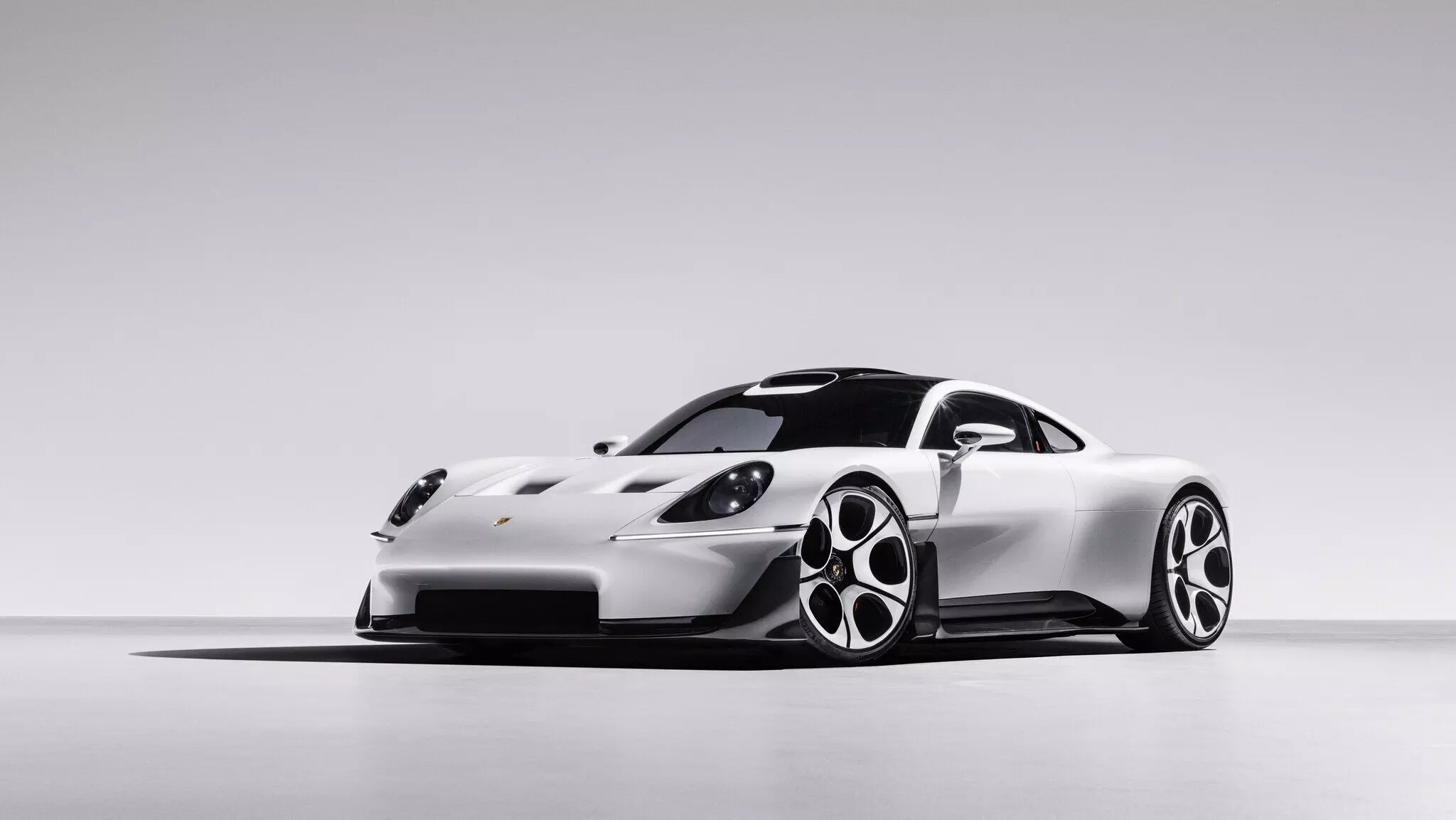
Porsche has unveiled the Mission S, a new vision model that offers a glimpse into the brand’s future design direction and its plans to expand its sports car portfolio. Presented as part of the company’s ‘Sportwagenschmiede ’35’ strategic realignment, the Mission S previews a mid-engined super sports car platform that will sit above the iconic Porsche 911.
Unlike a one-off hypercar, Porsche calls the Mission S a permanent addition to its customer offering, saying it combines “timeless design, motorsport-derived engineering and a close connection between the driver and the car”.
Porsche Mission S design
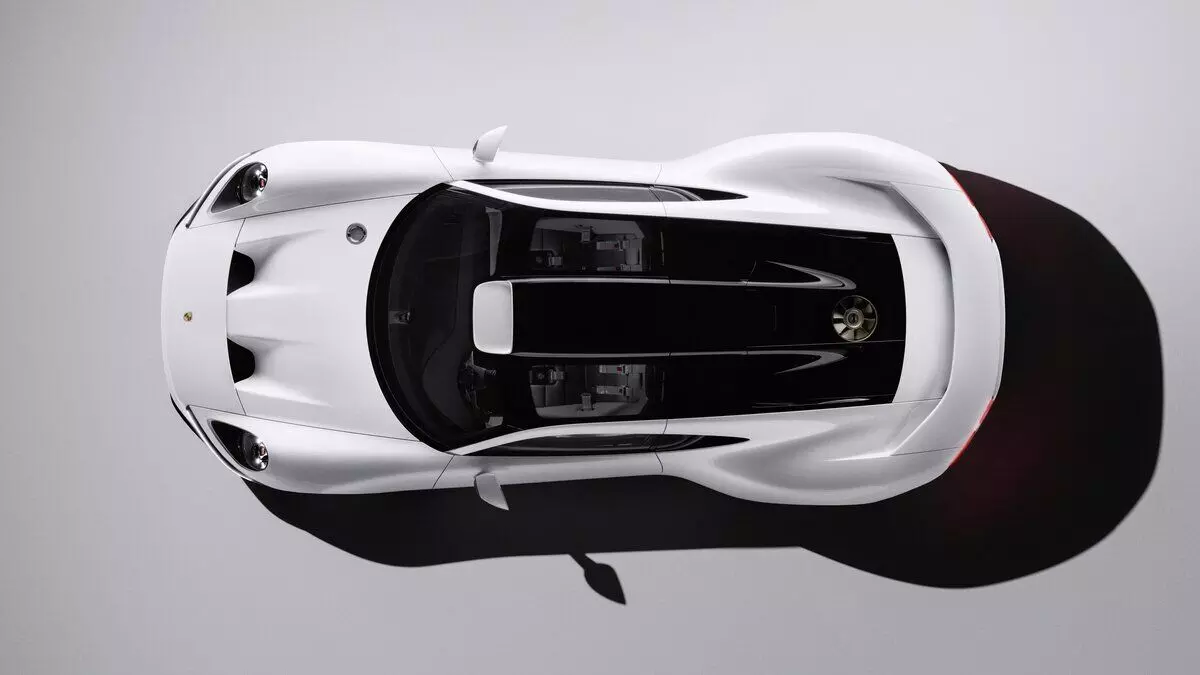
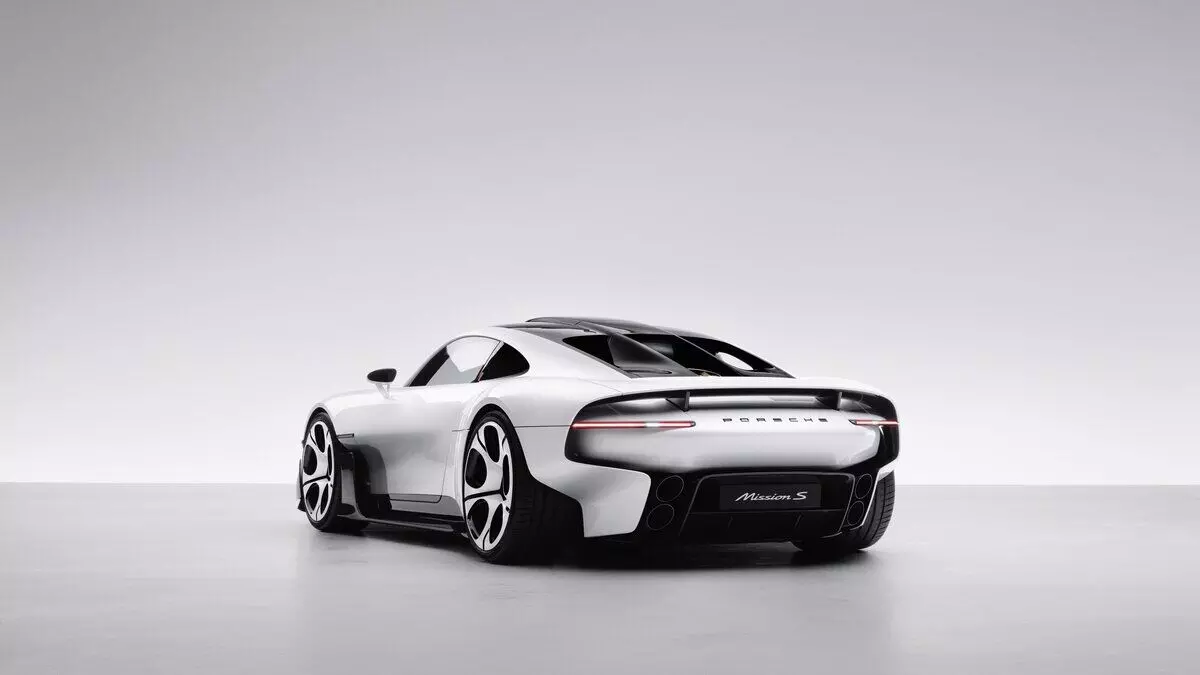
The Mission S has a low, wide stance, pronounced front fenders and a roofline that flows towards the rear wing. The design includes a lot of clean surfaces and a strong horizontal line. The front end features round headlights and a flat nose, while the sculpted fenders give the car a muscular appearance. The headlight treatment and fender shapes recall the 911, while the shut lines that merge into the lighting graphics reference the older G-series 911. The low front section takes inspiration from the 911 GT1, and the roofline beneath the rear wing draws on the Porsche 959.
At the rear, the Mission S features a layered design with a car-in-car arrangement inspired by the GT1. An integrated active rear wing sits above the rear bodywork, while the cooling arrangement takes cues from the fan-based system used on the Porsche 917. These elements combine functional hardware with the overall styling, rather than treating them as separate visual additions. The wheels are another notable detail. Their design draws inspiration from the dial-style wheels of the Porsche 928, reinterpreted with a focus on reducing weight.
Porsche Mission S interior
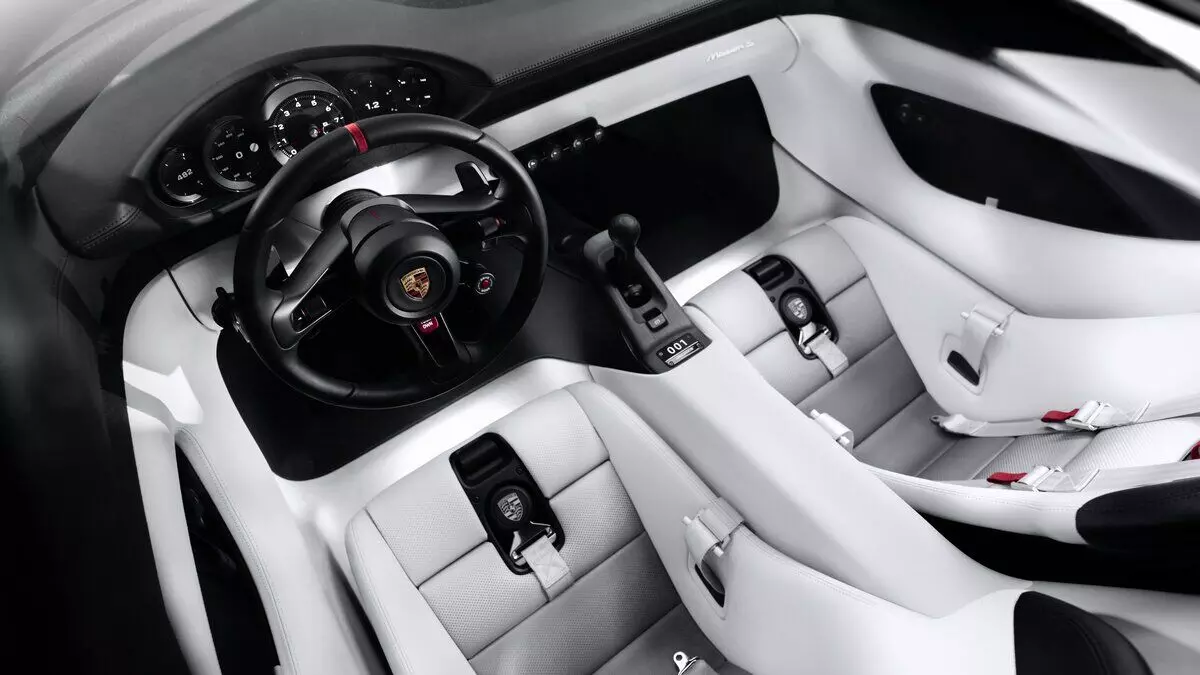
The layout draws inspiration from older sports cars, including the 550 Spyder and 356, while incorporating modern displays and controls. Rather than filling the dashboard with screens, the Mission S combines physical switches and buttons with digital interfaces. The centre display is absent, and in its place is a retractable smartphone holder compatible with MagSafe. What you’d also like is that Porsche has retained the physical key slot instead of opting for keyless start.
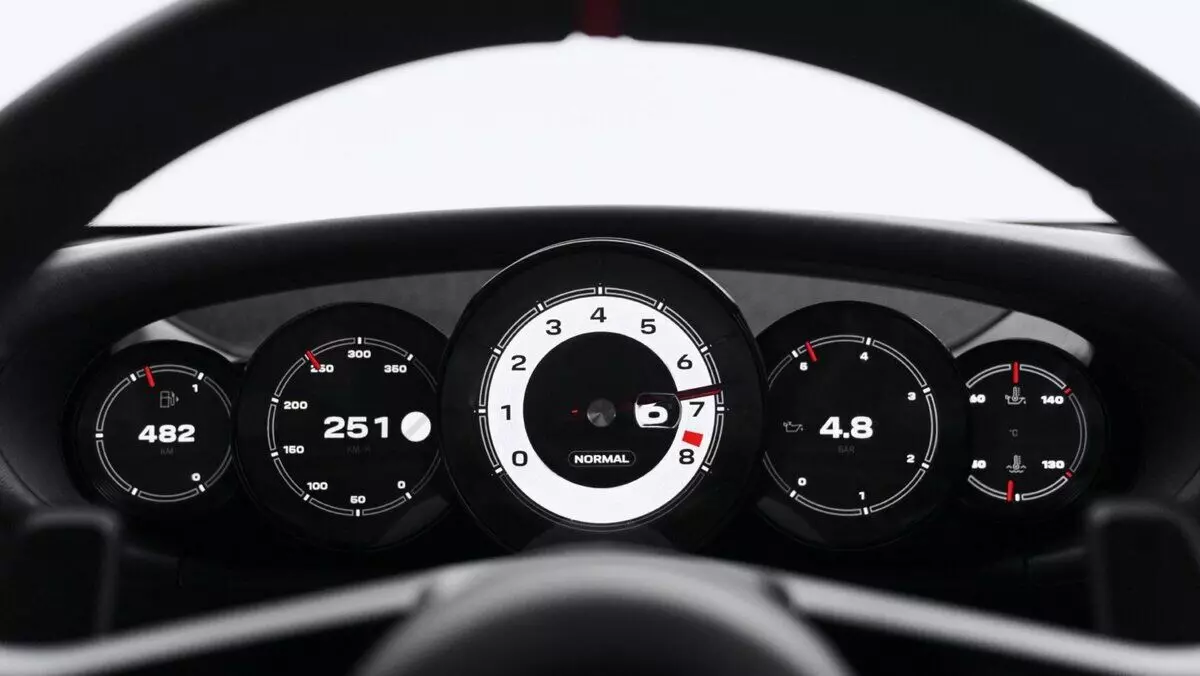
The instrument cluster is among the most distinctive features of the concept. Five round instruments sit behind the steering wheel similar to the current-gen cars, with an analogue rev counter at the centre and a digital display positioned behind it. Their arrangement can physically move according to the selected driving mode, with the instruments moving closer together or sitting behind one another. The rev counter itself can move towards the driver depending on the mode selected, bringing the key information into sharper focus.
The bucket seats feature an integrated seatbelt buckle with the Porsche crest. The cabin uses a mix of white, grey and red, with special finishes including Firn White Metallic, Light Red Metallic, Black Chrome and Special Black. The colour scheme references the company's motorsport history without overwhelming the otherwise restrained interior.
Porsche Mission S platform and positioning
The Mission S comes as far more than a special build. Porsche says the concept previews a mid-engined supercar platform that would sit above the 911 and become a regular part of its range. The company has not disclosed powertrain details, performance figures or a production schedule, so it remains unclear how closely a future production car would follow the show car.
For now, the Mission S provides a first look at the design direction and cabin philosophy that could influence future models. Its biggest departure is pairing a new supercar proposition with an interior that deliberately steps away from the screen-heavy layouts increasingly common in modern cars.