

A ₹15,000 crore reign of blight or benevolence? Delhi EV Policy 2026 explained
The Government of Delhi plucks out strong-hybrid vehicles from the incentivised category, while mandating registrations of only electric two wheelers by April, 2028
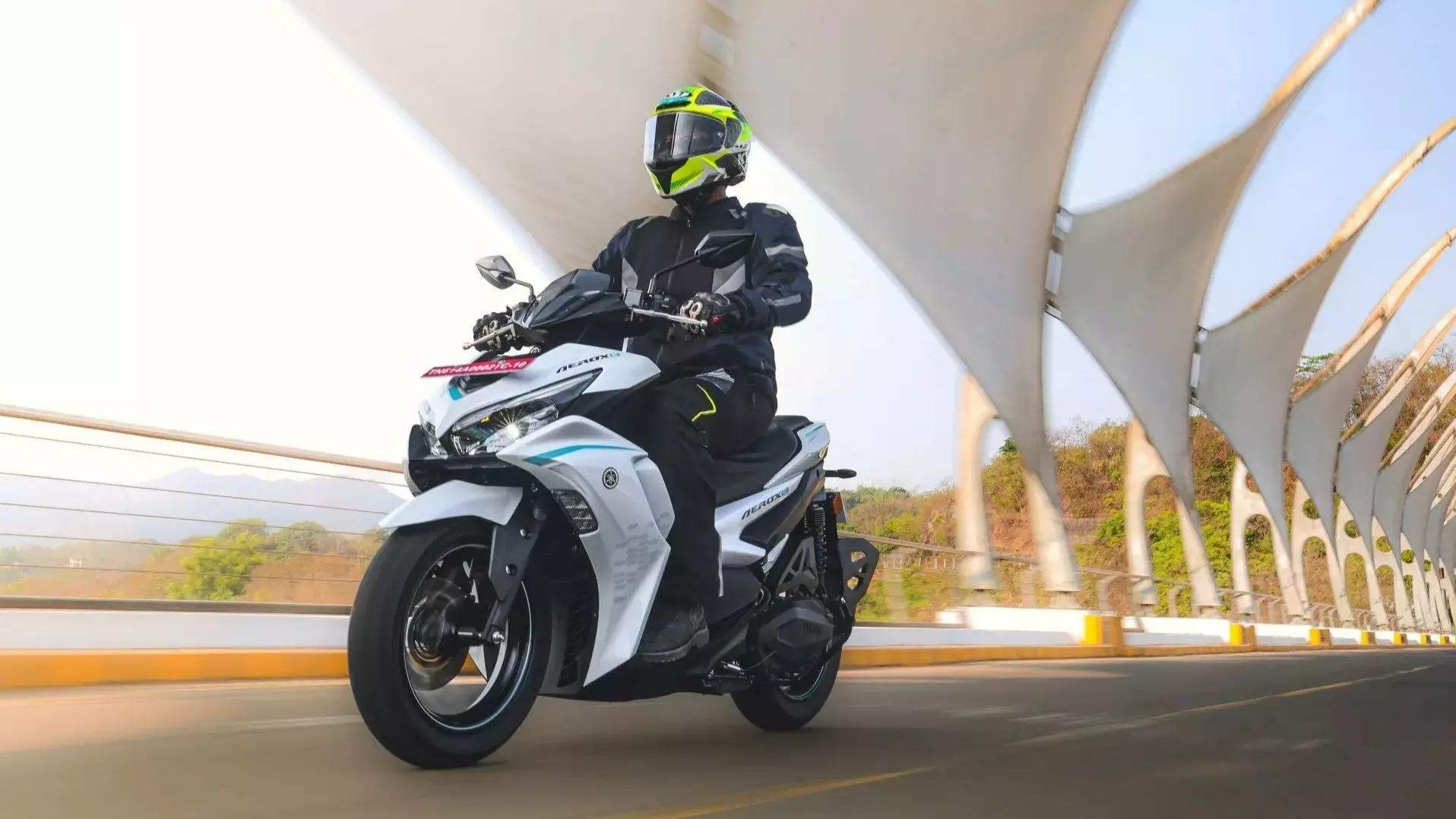
Delhi government is gearing up to turn the two-wheeler traffic all-electric by April, 2028
Delhi government is gearing up to turn the two-wheeler traffic all-electric by April, 2028
A new Delhi EV Policy 2026 is on the cusp of being implemented from July 1, 2026 in the National Capital Territory (NCT) of Delhi, and will remain in effect till March 31, 2030. The policy’s primary objective is to boost adoption of EVs across all major vehicle segments to curb the alarmingly worsened air quality in the capital as well as reduce dependence on Internal Combustion Engine (ICE) vehicles while also curtailing the import of fossilised fuels from abroad. The draft for the said policy was filed and submitted on April 11, 2026 before the competent authority. Since then, the final and approved policy has seen a revision to the clauses pertaining to the entitlement of purchase and tax incentives. The strong-hybrid vehicles have been plucked out from the policy, directing the focus on pure electric vehicles alone. A colossal investment of ₹15,000 crore has been allocated towards bringing the objectives of Delhi EV Policy 2026 to fruition – with a robust public and private charging network of a proposed 30,000 stations across NCT of Delhi, over the course of the next four years. Here’s everything you need to know about the said policy.
The two-wheeler angle
The big news with regards to the two wheelers is that from April 1, 2028 onwards the NCT of Delhi will only permit registration of electric bikes and scooters. As per the policy, buyers will stand to get purchase incentives of up to ₹30,000 in the first year of registration from July 1, 2026; up to ₹20,000 in the second year from the implementation of the policy and buyers of two-wheeler EVs will stand to get up to ₹10,000 in the third year of the policy. In order to be eligible for the said benefits, the ex-factory price of the electric two-wheeler should not exceed ₹2.25 lakh.
Buyers of new two-wheeler EVs will also get a scrappage incentive of up to ₹10,000, on the fulfillment of two conditions. Firstly, the purchase of a new two-wheeled EV should be effected within six months of issuance of the Certificate of Deposit (CoD) from an authorised scrapping facility. Secondly, the two-wheeler which is to be scrapped should be Delhi registered and have BS-IV or below, emission compliance standards. Additionally, two-wheeler buyers will also get 100 per cent exemption from payment of road tax and registration fee.
The three-wheeler and N1 goods four-wheeler vehicles
Similarly, come January 1, 2027 the NCT of Delhi will only register electric three wheelers (auto-rickshaws). These three-wheeler EVs are also bundled with purchase benefits of up to ₹50,000 in the first year of registration from July 1, 2026; up to ₹40,000 in the second year of the policy and up to ₹30,000 in the third year from the implementation of the policy. It is worth underlining that the said incentive can only be claimed by those individuals who are replacing their old CNG auto-rickshaws or new auto-rickshaws already registered in the NCT of Delhi.
A scrappage incentive of up to ₹25,000 is also entitled to individuals who effect the purchase of an electric three-wheeler within six months of issuance of the Certificate of Deposit from an authorised scrapping facility. The three-wheeler (L5M) to be scrapped should be Delhi registered and have BS-IV or below, emission compliance standard. Electric three-wheeler purchases are also exempted from payment of road tax and registration fees.
In a similar vein, commercial four wheelers or goods carrier vehicles (N1) will also benefit under this policy to boost adoption of e-trucks in the region. Businesses will get purchase incentives of up to ₹1 lakh in the first of year of the policy; up to ₹75,000 in the second year and up to ₹50,000 in the third year (from July 1, 2026). As for the scrappage benefits, the N1 four-wheeler goods carriers will be bundled with a sum of ₹50,000, granted that the purchase of a new electric vehicle is made within six months of issuance of the Certificate of Deposit (CoD) from an authorised scrapping facility. The vehicle to be scrapped should be Delhi registered BS-IV and below.
The non-commercial four-wheeler
While the private electric cars are not bundled with any purchase incentive (a cash benefit or bonus to be directly transferred to the buyer or beneficiary) as per the Delhi EV Policy 2026, the buyers of four-wheeler EVs (for non-commercial use) still stand to get a 100 per cent exemption from payment of road tax and registration fees when effecting a purchase of a car not exceeding ₹30 lakh. They are also entitled to get scrappage benefits of up to ₹1 lakh for a purchase of a new electric car, with an ex-factory price less than or equal to ₹30 lakh. Again, the claim has to be made within six months of issuance of the Certificate of Deposit (CoD) from an authorised scrapping facility. The conditions for eligibility mandate the car being scrapped should be registered in Delhi and have BS-IV or lower emissions compliance standards. This incentive is also limited to the first 1 lakh eligible applicants.
All eligible incentives mentioned above will be disbursed or transferred directly to applicants’ or beneficiaries’ bank accounts via Direct Benefit Transfer (DBT). Is leaving out strong-hybrid vehicles from the revised policy a big misstep and will going all-EV solve the air pollution crisis in the capital? Only time will tell how the plans outlined in the Delhi EV Policy 2026 will pan out.