

Bike Reviews
Yamaha Aerox e first ride review: Electric scooter for the enthusiasts?
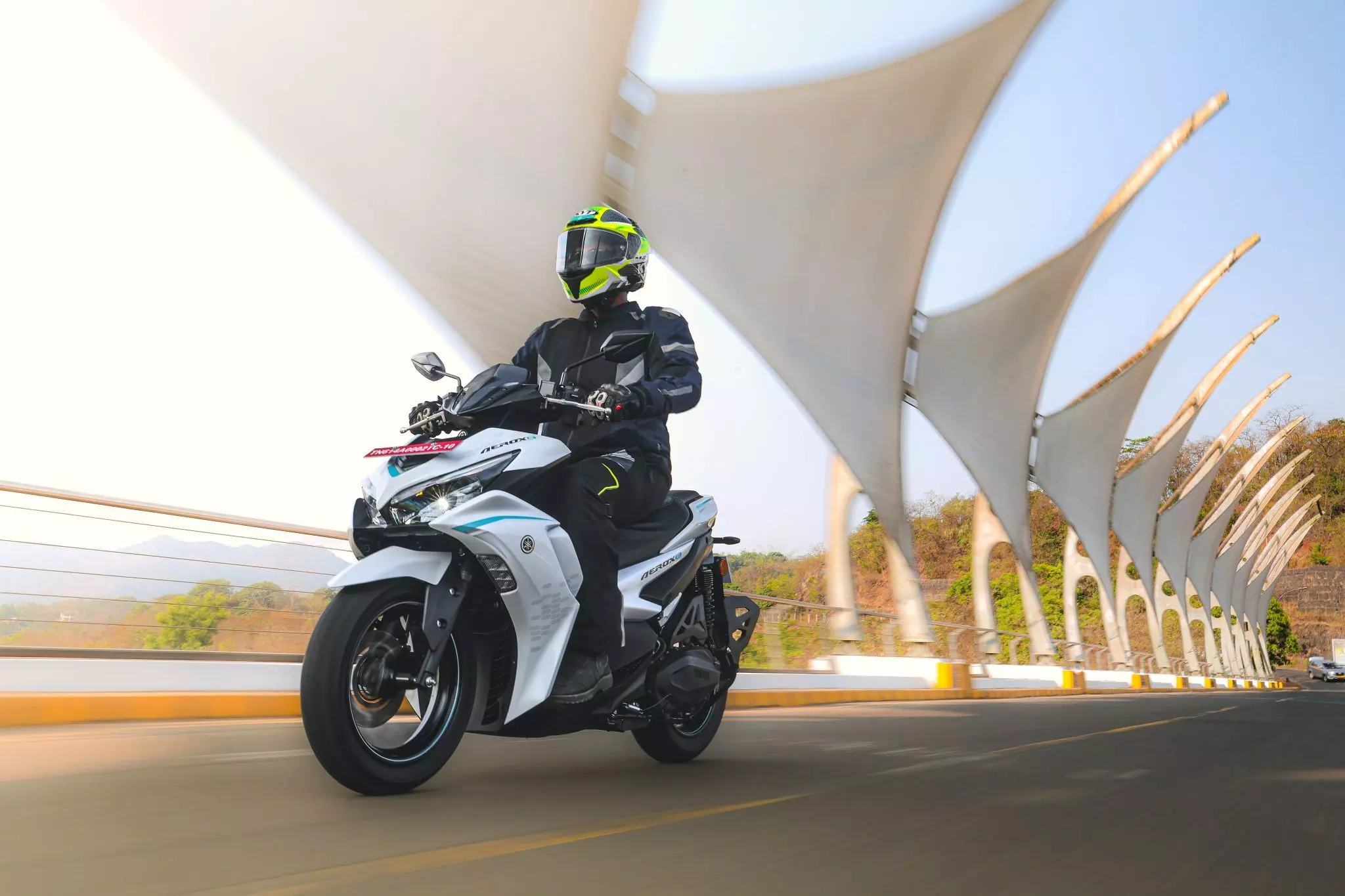
The Yamaha Aerox e brings electric power to a fabulous sport scooter – but does it still feel like an Aerox?
- Design, handling
- Maximum power isn't always available, practicality
The Yamaha Aerox was never just another scooter you’d see on the road. It came with a 155cc liquid-cooled engine from the Yamaha R15, made about 15bhp, and could comfortably push past 100kmph. It even had a sharp design to match that performance. But more than the numbers, it had character. It felt engaging, slightly raw, and properly mechanical in a way most scooters simply don’t. Now, Yamaha has taken that same Aerox… and made it electric.
Not much has changed on the surface, and it still carries the same sharp design along with similar core components like the suspension and brakes. The major difference is in what drives it. Which begs a question – in removing the engine, has Yamaha also removed the soul from the Aerox? Let’s find out.
Yamaha Aerox e design
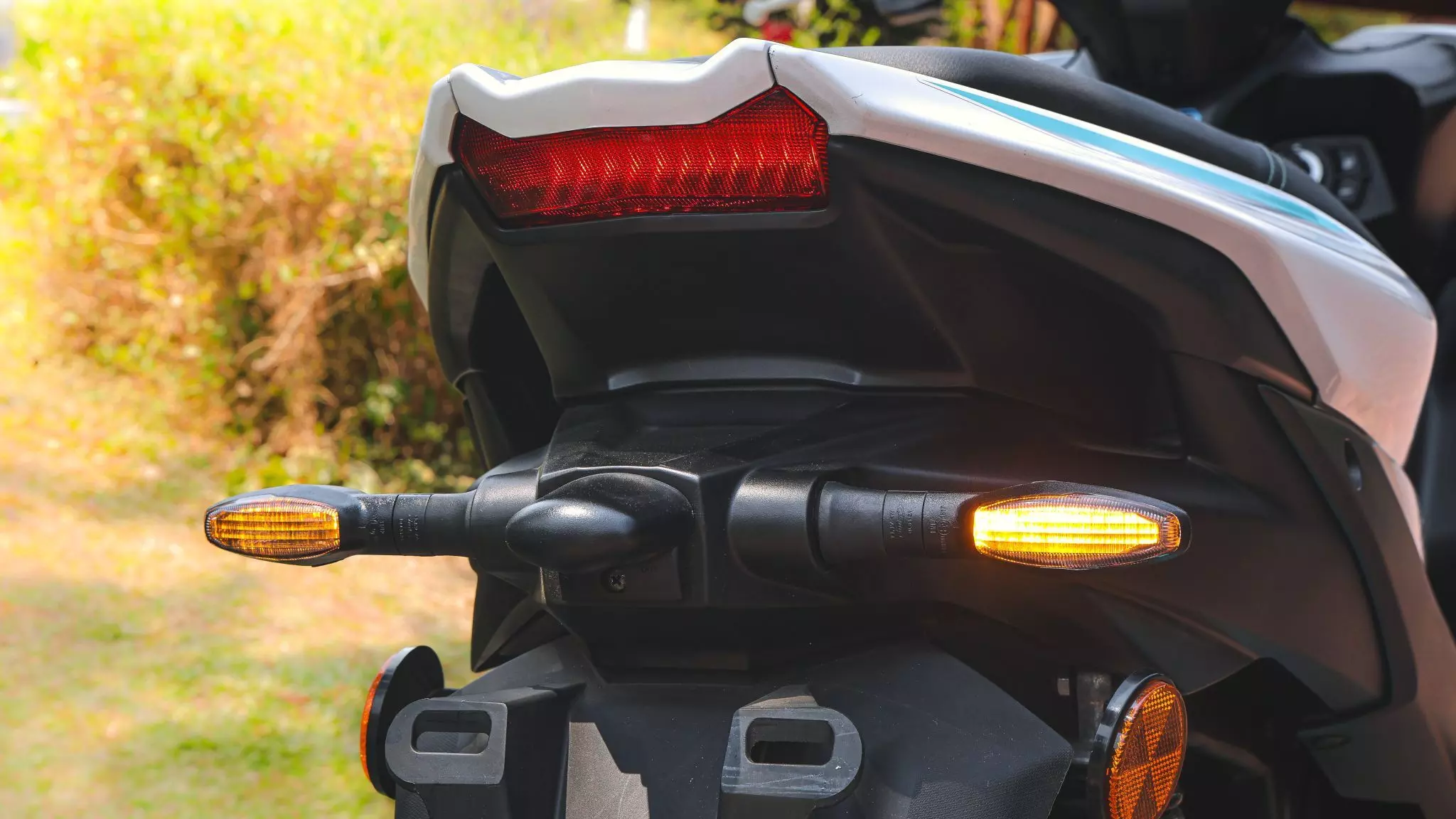
Visually, the Yamaha Aerox e remains largely the same as the ICE Aerox. And even after a fair amount of time on our roads, the Aerox still manages to stand out – in a good way. The Aerox e continues with sharp, aggressive styling – twin LED headlamps with DRLs, sculpted bodywork, and fat tyres, including a 140-section rear. What you will definitely be pleased about are the LED indicators at the rear, which are slimmer than before, and better suit the overall package.
The fundamentals haven’t changed either. Seat height remains at 790mm, and the central spine continues where the charging port and the auxiliary battery exist instead of the fuel tank. That means practicality still isn’t its strong suit – there’s no flat floorboard, and you’ve limitations on what you can carry. Underseat storage has taken a hit this time since both of the two 1.5kWh batteries are now placed there. What was previously a usable 24.5 litres is now significantly reduced. You can fit a half-size helmet in it, and maybe even a water bottle, but that’s going to be it. I feel like I shouldn’t complain, given the sporty intentions of the scooter, but practicality is a big reason to go for scooters in the first place.
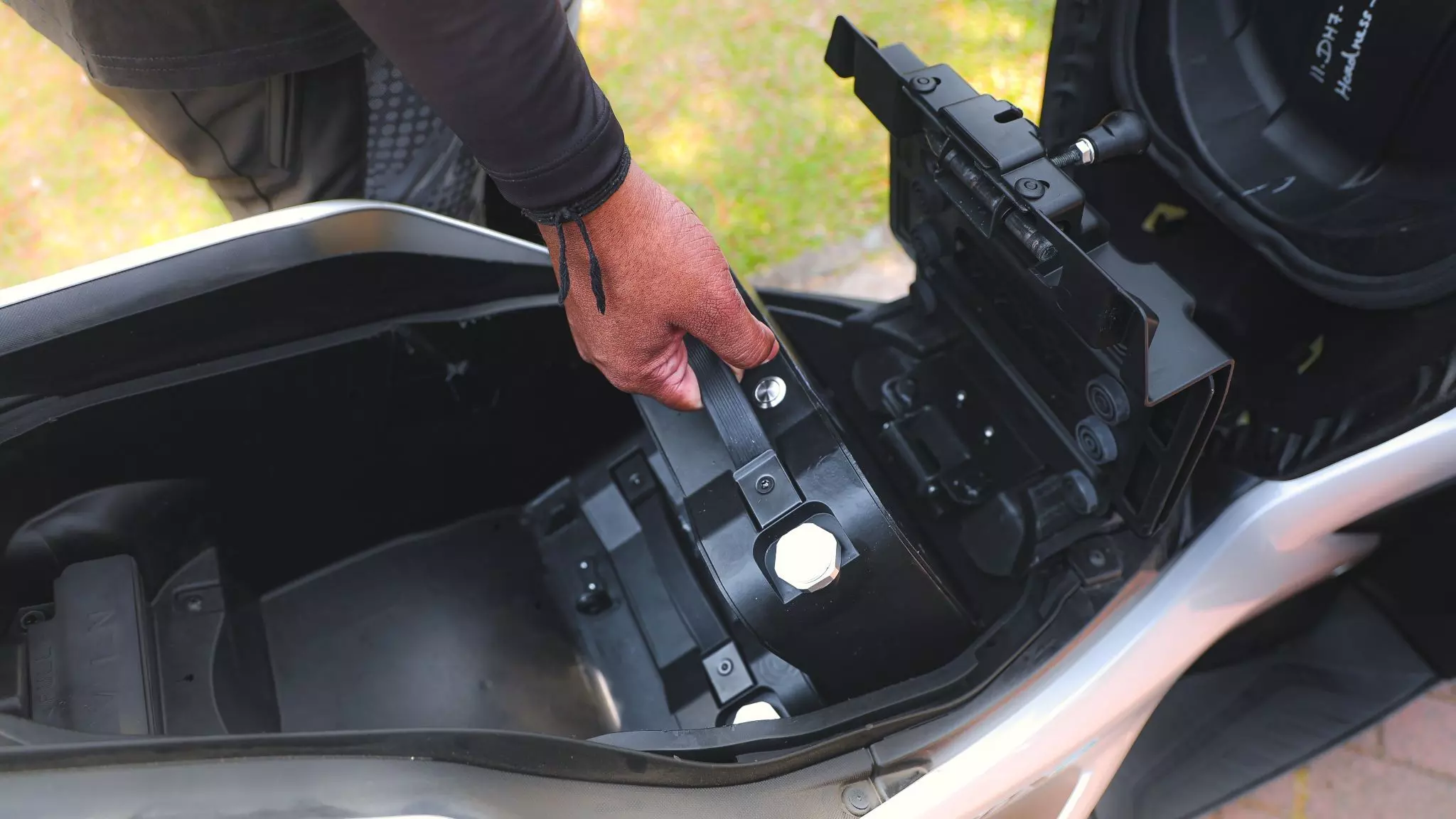
The underseat storage take a hit in lieu of the two removable 1.5kWh batteries – Shot by Rohit G Mane for evo India
Yamaha Aerox e features
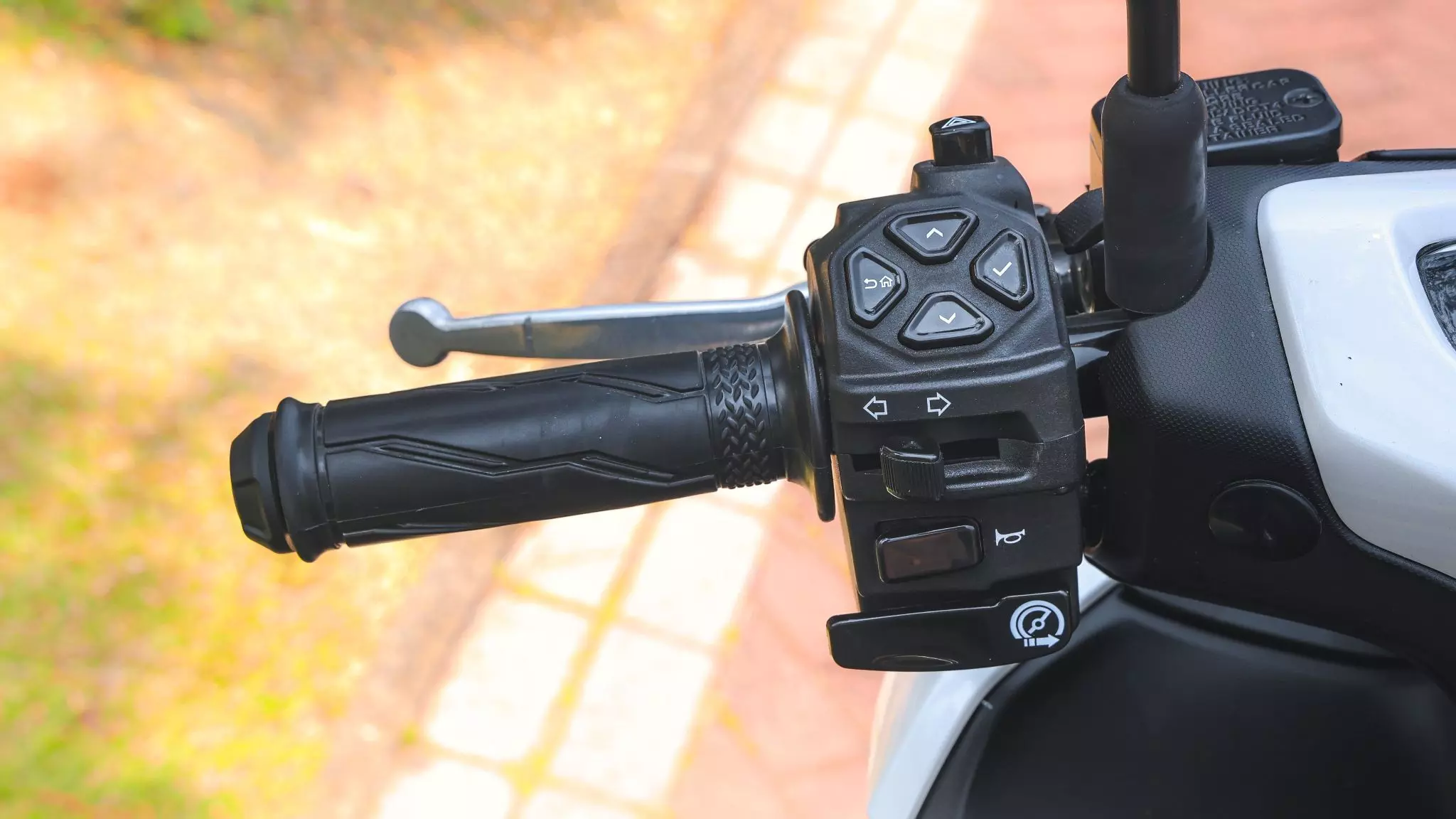
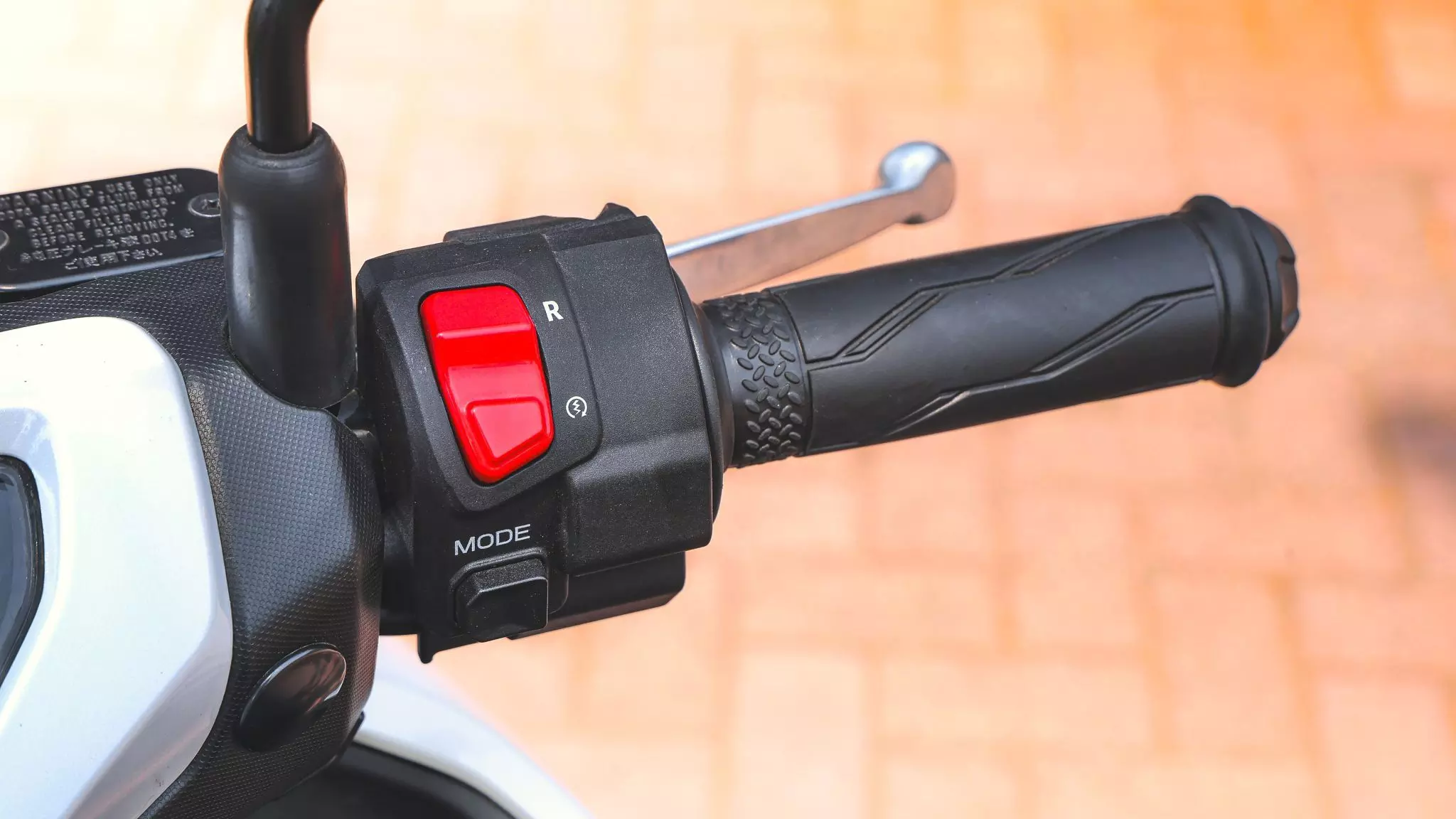
The Aerox e builds on what the ICE Aerox already offered, with a few important updates. The smart key system, Bluetooth connectivity, traction control, and single-channel ABS continue as before. The upgrade comes in the form of a new 5-inch colour TFT display, which now supports turn-by-turn navigation. Like with most electric scooters now, you also get ride modes – Eco, Standard, and Power, which allow you to adjust how you want the scooter to react when you twist the throttle.
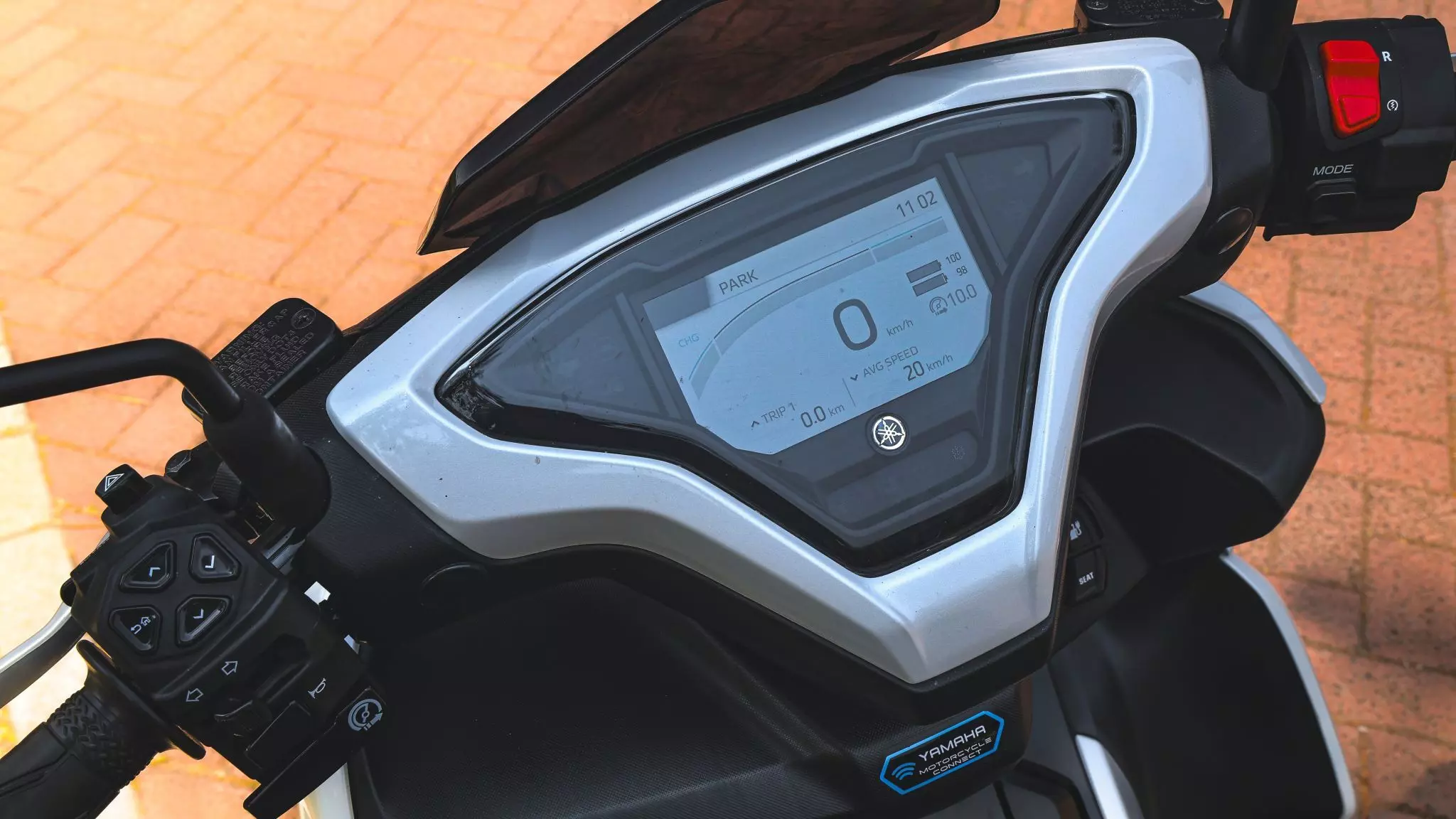
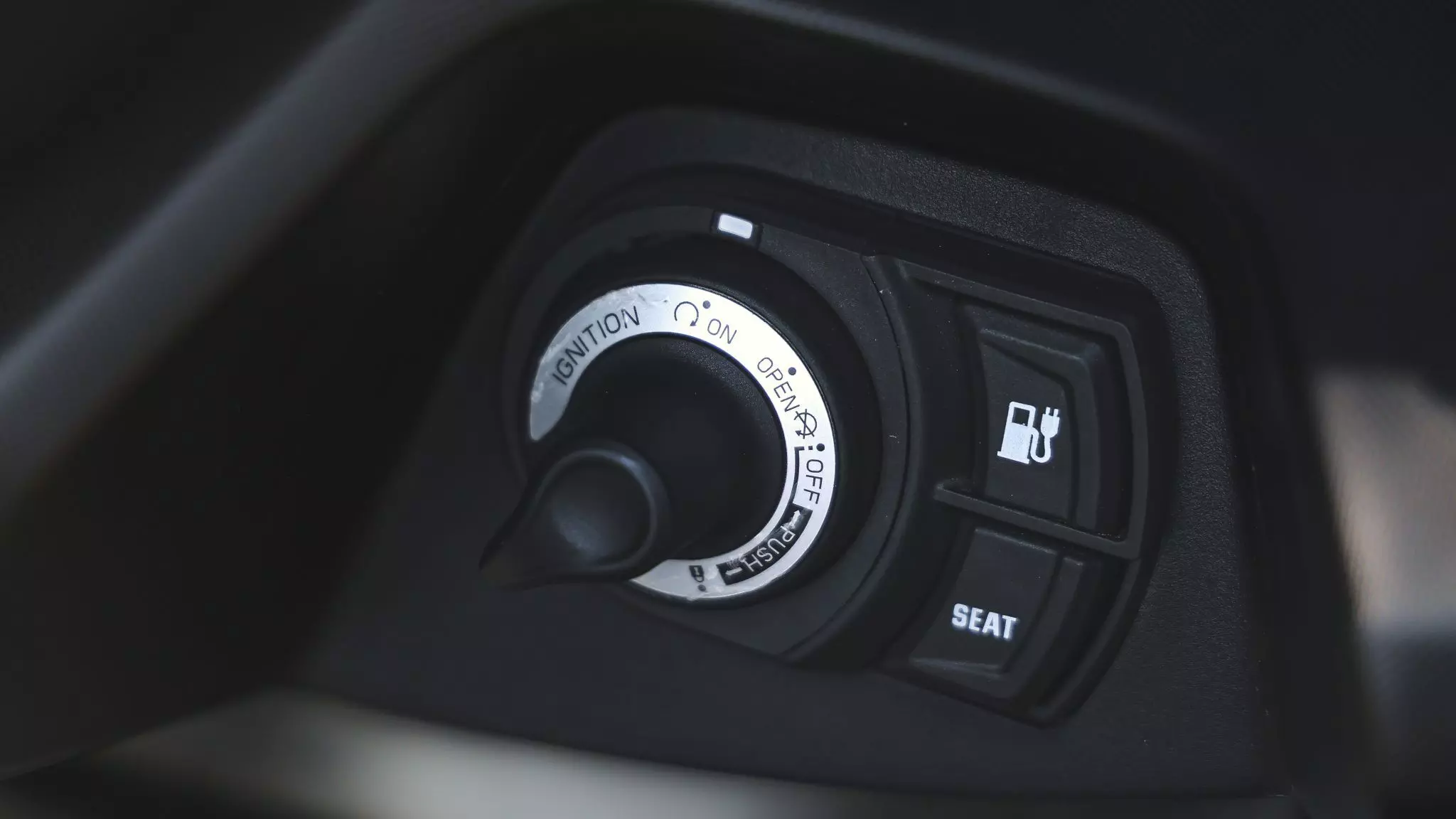
The issue I find here is that the Power doesn’t actually offer the maximum performance, for which you need to use the Boost function. That’s a 10-sec boost of max power, which can be used intermittently, after the internals come down to normal temperatures. All in all, the Aerox e is still not the most feature-loaded scooter out there, but the upgrades do enough to keep it modern.
Yamaha Aerox e powertrain and performance
This is where it’s different from its ICE counterpart. The aforementioned two batteries are removable, and claim an IDC range of 117km. The real-world range will expectedly be lower, and will depend more on how you ride. But from my experience, range could be a problem here. When we got the scooter with both batteries at 98 per cent charge, the range readout showed 53km on Eco mode, and was blank in other modes. We will only get an idea of the range once we get the scooter for longer durations, but this doesn't look promising.
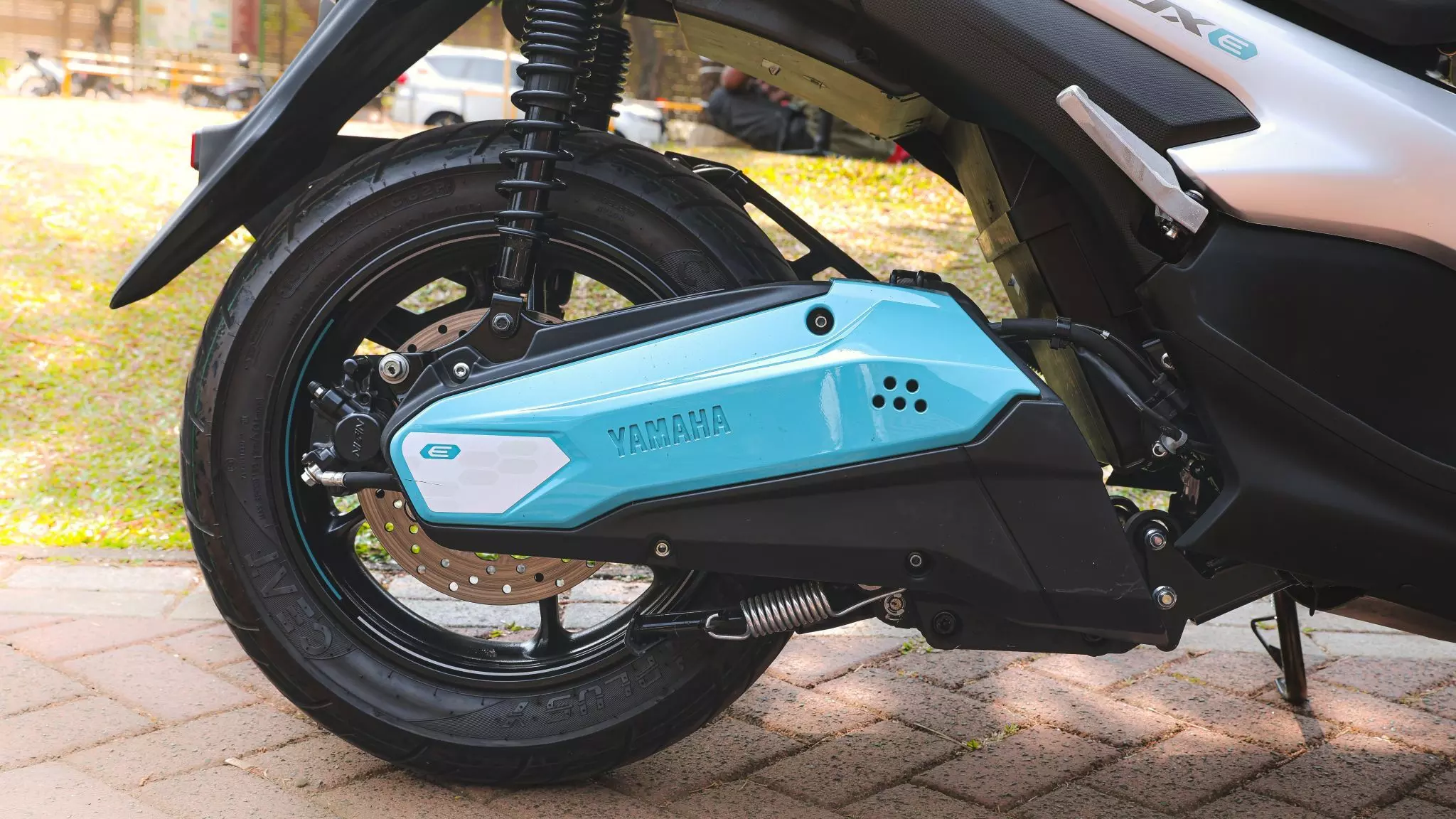
Now let’s talk about power figures. The electric motor is good for 12.6bhp and 48Nm of torque. With those power figures, it sits close to the Ather 450 Apex, which produces around 9bhp, while the Ola S1 Pro Gen3 goes significantly higher at 17bhp.
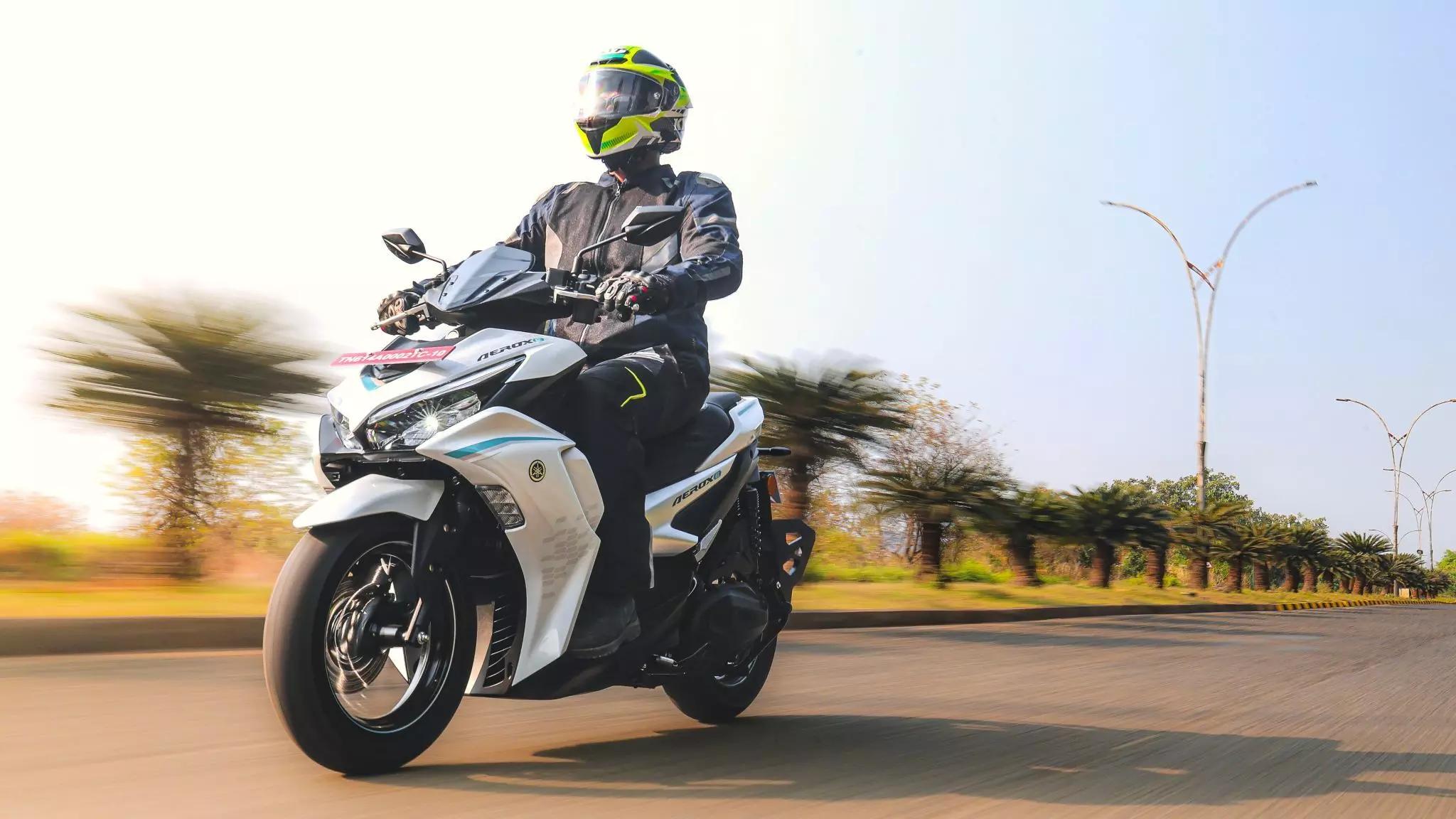
It packs two removable batteries offering a claimed IDC range of 117km; pushes out 12.6bhp and 48Nm – Shot by Rohit G Mane for evo India
The power figure is similar to before, so you would expect this Aerox to be rather quick as well. In practice, however, the experience is a bit more nuanced. The power delivery is linear and predictable, which makes it easy to ride, and you get used to it very quickly. But I wouldn’t ride an Aerox for ease of riding. I need a bit of drama, and that seems to be missing, at least at the start. The immediate response you expect from an EV is there, but it’s not as sharp as you’d imagine. Even when the power does come on, it isn’t punchy enough. And that’s how the ride modes are tuned. Since you need to engage Boost mode to access full power, the other ride modes end up feeling like a letdown and make the scooter feel quite ordinary. I’m sure the increased kerb weight to 139kg (up from 126kg in the ICE Aerox) doesn’t help either.
The Boost mode changes those sentiments very quickly. That’s where the Aerox e feels the most alive. It delivers a proper surge, enough to overtake almost anything with ease, and pushes the top speed to a maximum 95.5kmph. For the first few times, it might even feel a touch aggressive, but it’s ultimately quite fun. I only wish it weren’t so complicated to use. Once you have run out of the 10-sec boost window, it takes about 20-30 seconds before it can be used again. So yes, while the performance is more accessible, it lacks the consistent excitement the petrol version had.
Yamaha Aerox e ride and handling
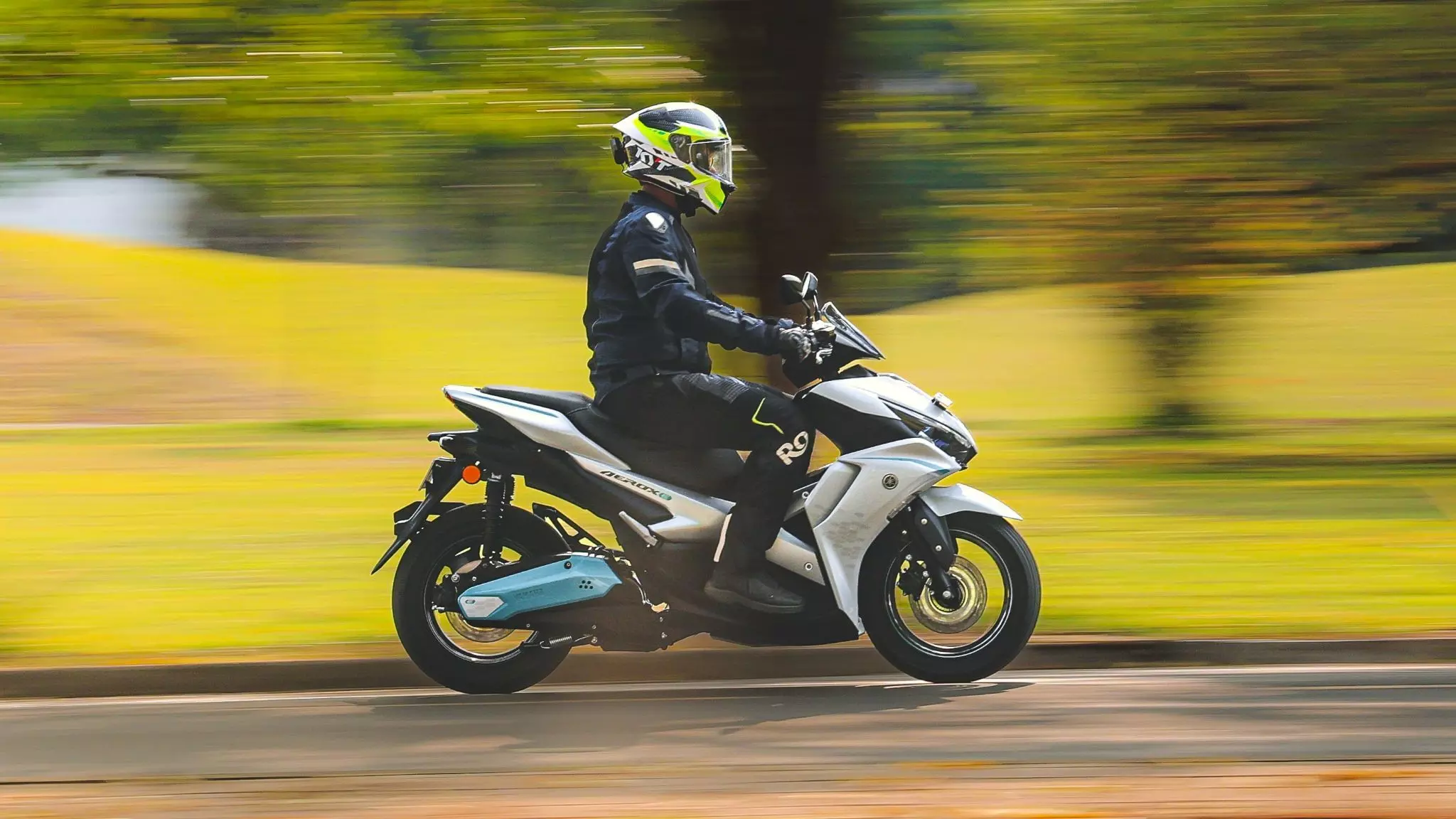
Thankfully, the core dynamics haven’t changed with the new Aerox e. At the front, it gets a telescopic fork, twin shock absorbers at the rear, and 14-inch wheels at both ends. And because of that, the Aerox e continues to handle like a sporty scooter should. It feels stable mid-corner, holds its line well, and encourages you to carry more speed through turns. There’s a sense of confidence here that most scooters simply don’t offer. Like before, it’s not flickable as a regular scooter with small wheels, but it trades that for more stability, and that’s good enough for me.
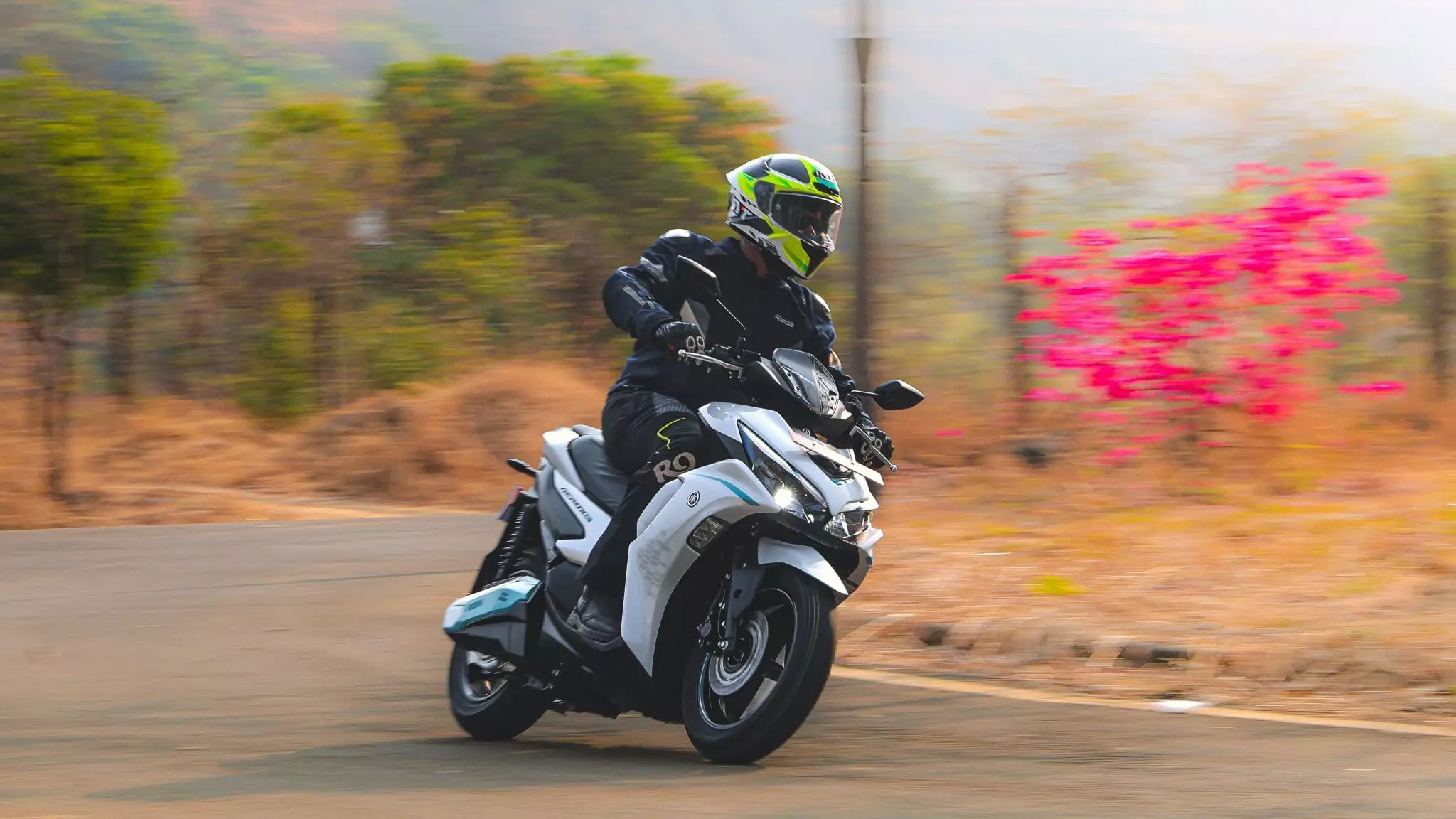
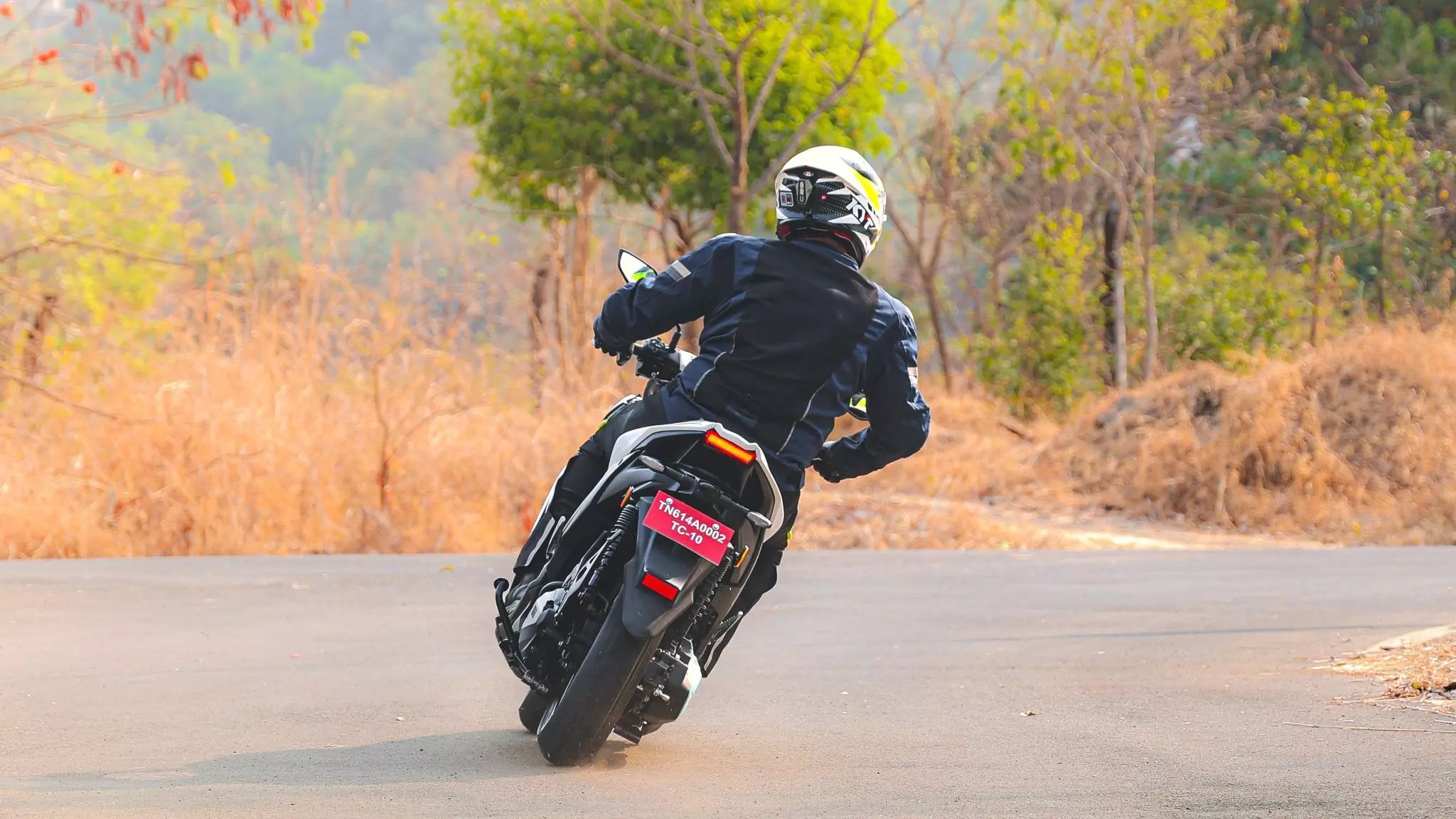
The suspension remains on the firmer side as well. On smooth roads, this helps with stability and control. But over rough surfaces, it does let more bumps through than you’d ideally want. The good thing is that it stays stable through all kinds of terrain, and doesn’t start to overly bounce around like scooters with softer suspension. Braking has improved with the addition of a rear disc brake as standard. The setup offers good bite and progression, making it as reassuring as before.
Yamaha Aerox e verdict
So, is the soul missing in the new Aerox e? The answer depends on what you thought the soul of the Aerox was. If you liked the Aerox for its engine – the sound, the mechanical feel – then yes, that part is gone. But if for you the soul is in how it rode – sharper, sportier, and more capable than everyday scooters – then that remains. In some ways, in fact, the Aerox e is easier to live with. It’s smoother, more effortless in traffic, and the performance is more accessible.
That ease obviously comes at the cost of engagement. But we would all be wrong to expect an EV to carry the same character. With the new Aerox e, Yamaha has still given us a sporty scooter that can be a lot of fun. The only thing that changes is how the power is delivered. As for pricing, the petrol Aerox sits around ₹1.45 lakh (ex-showroom), and you can expect the Yamaha Aerox e to command a premium over that.