

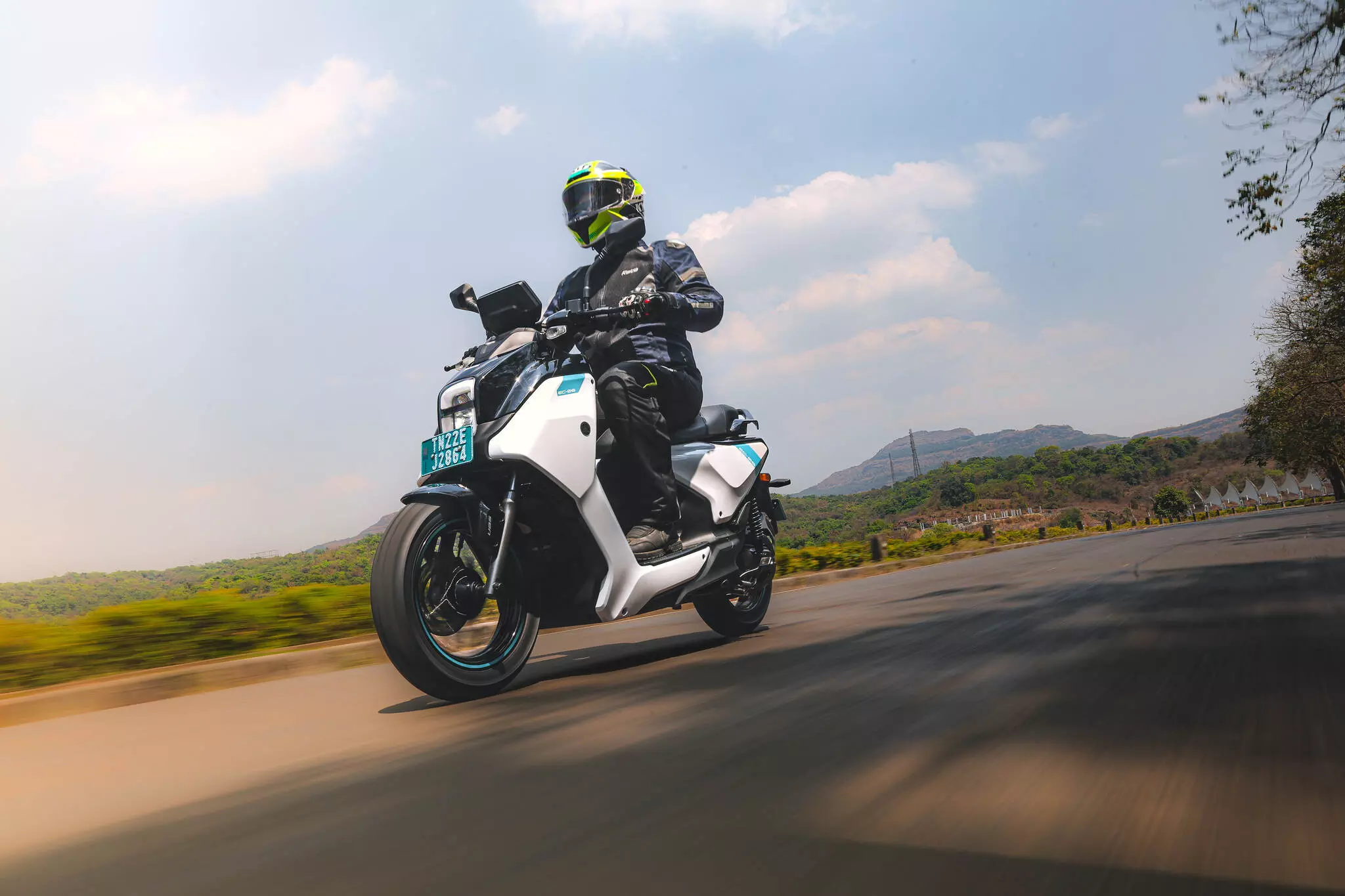
The Yamaha EC-06 uses the same chassis and electrical components as the River Indie
Bike Reviews
Yamaha EC-06 first ride review: A more mainstream take on the River Indie?
Yamaha EC-06 might be based on the River Indie, but it does enough to carve a place of its own
- Design, performance, ride
- Lacks modern connectivity features
It’s no secret that Yamaha has been working on an electric scooter for quite some time. Almost all the mainstream brands had introduced electric products, and Yamaha had to do something about it. After all this time, Yamaha has given us not one, but two electric scooters – the Aerox e, and this, the EC-06.
At first glance, it might seem like just another new electric scooter. But it’s based on the River Indie – the practicality-led scooter from River Mobility that’s made waves as “the SUV of scooters” owing to its rugged design, good build quality, and exceptional storage spaces.
The Japanese folks from Yamaha must be impressed too, because the EC-06 not only shares the same chassis and electrical components, it’s also built at the same River facility in Hoskote, just outside Bengaluru.
You would be wrong to consider this a rebadge job, though. With the EC-06, Yamaha has taken that solid, utility-focused foundation… and reworked it into something that feels more urban, and a lot more in line with Yamaha’s brand identity. Is it any good? Read on to find out.
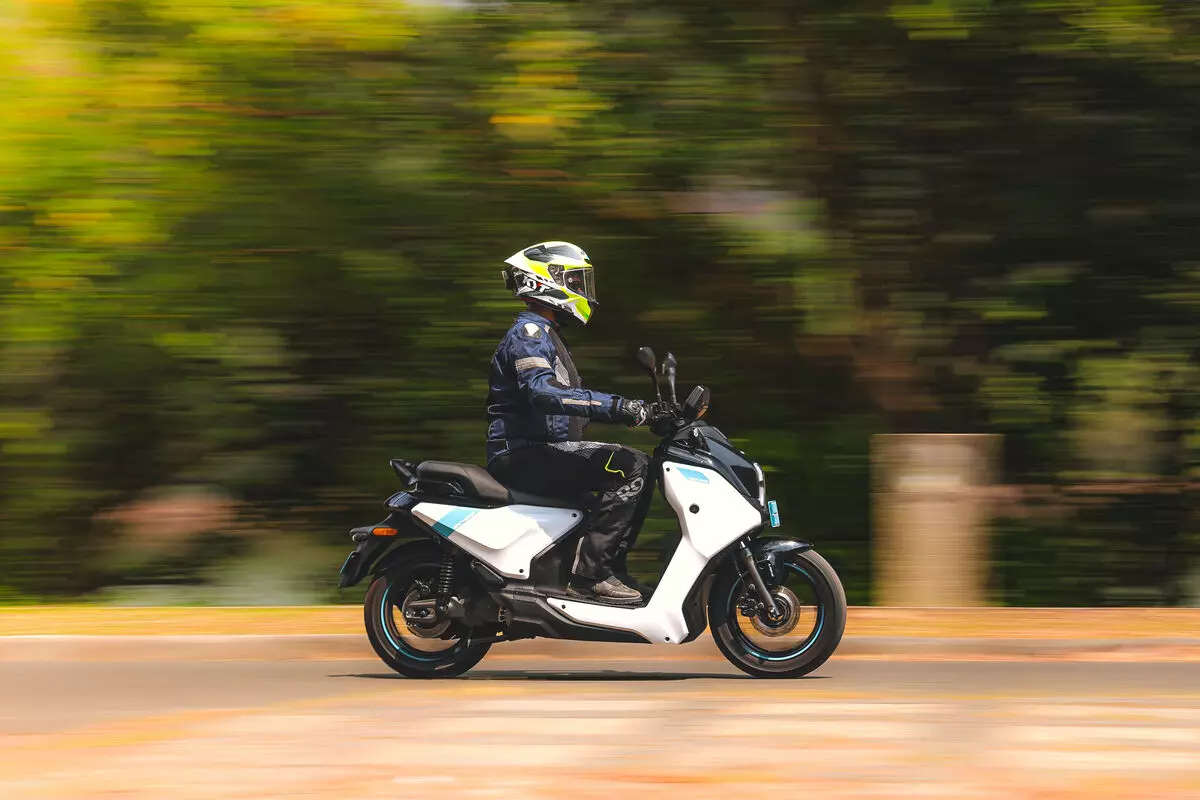
The Yamaha EC-06 adopts a more mainstream design than the River Indie, devoid of the pop-out foot pegs and side guards – Shot by Rohit G Mane for evo India
Yamaha EC-06 design
The first look itself gives a preview of how different the EC-06 and River Indie are. Where the Indie leaned heavily into ruggedness and utility, the EC-06 feels compact, cleaner and more cohesive in its design. The front, for instance, moves away from the Indie’s twin-pod headlamp setup to a single LED unit with DRLs integrated. It looks simpler, but also more refined. Other smaller details also reflect this change. The pop-out footpegs, side guards, and other utilitarian elements from the Indie are gone. The sides and rear both get a much cleaner design, and overall, the EC-06 feels more lifestyle-oriented. The overall proportions are tighter as well. The EC-06 has an 11mm shorter wheelbase, 20mm lower ground clearance, and is around 8kg lighter than the Indie.
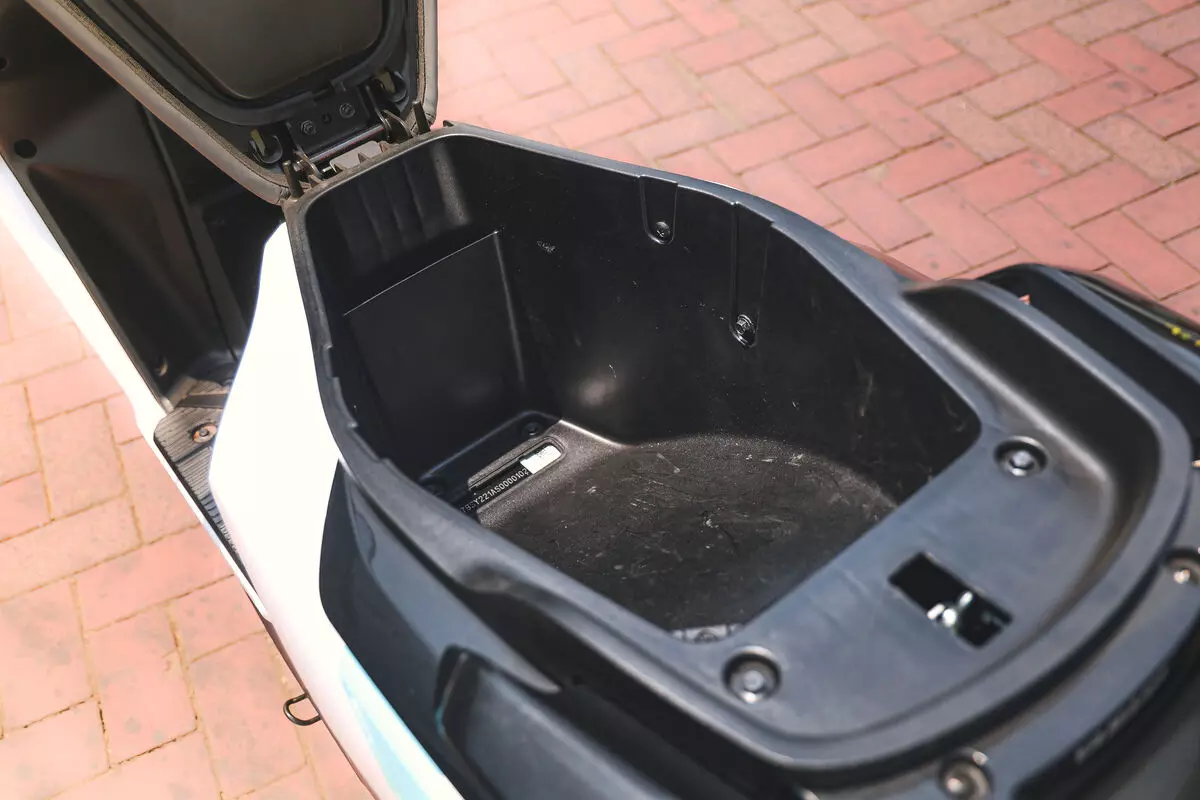
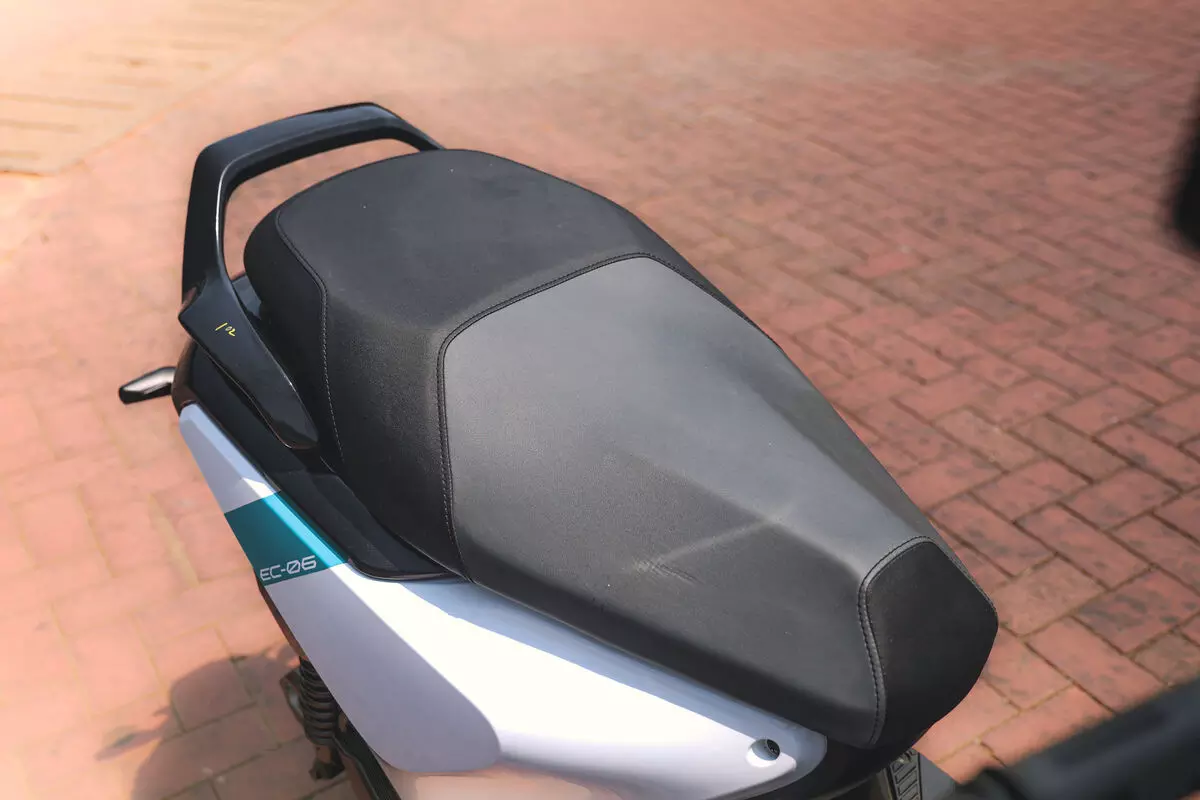
There are some trade-offs. Like there’s a smaller seat, there’s no frunk, and the underseat storage has dropped from a massive 43 litres on the Indie to 24.5 litres. It’s still a big enough boot for everyday items, but the reduction can’t be ignored.
Yamaha EC-06 features
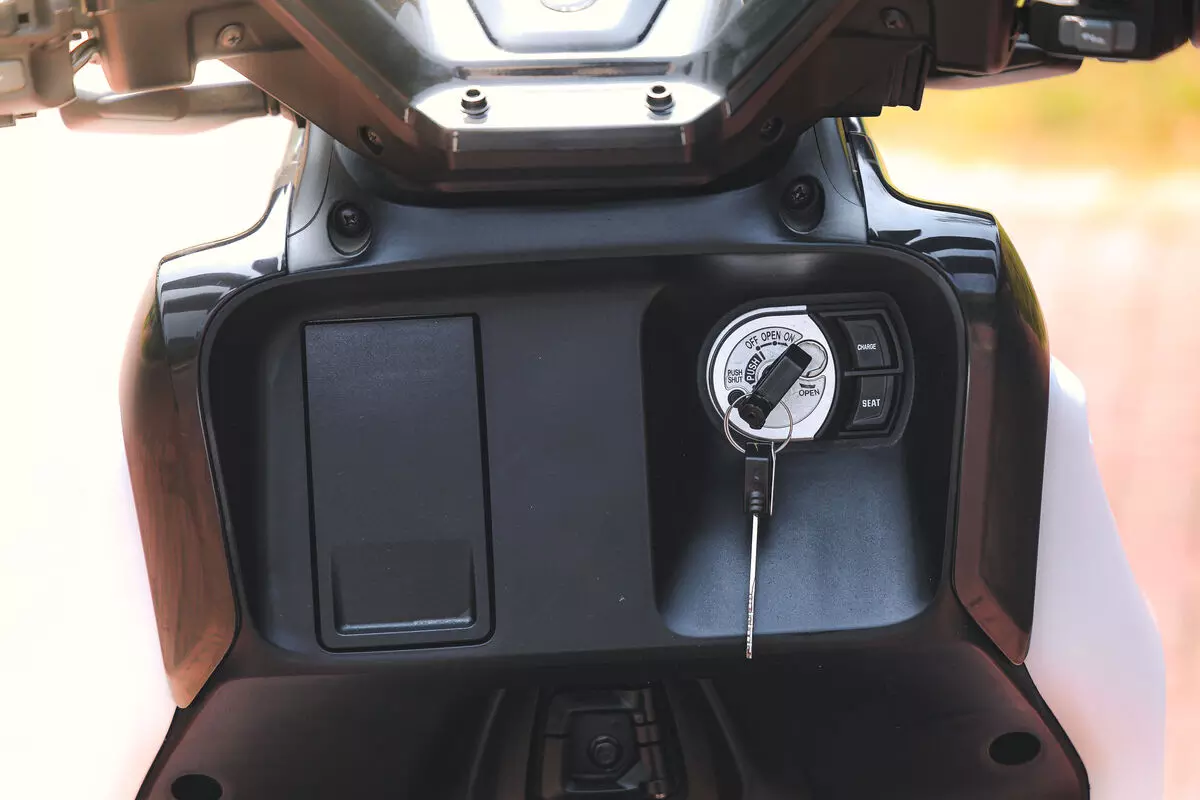
Here, the Yamaha EC-06 sticks to the Indie’s formula. You get a colour display, multiple ride modes, and a reverse mode. The switchgear and interface will feel familiar if you’ve experienced the Indie before, and it’s a rather simple system devoid of connectivity or other modern features. What’s immediately apparent is that the EC-06 isn’t trying to be a tech-heavy electric scooter. Instead, the focus remains on getting the basics right – usability, clarity, and a straightforward riding experience. But given its positioning as a lifestyle product, the lack of connectivity features also seems like a miss.
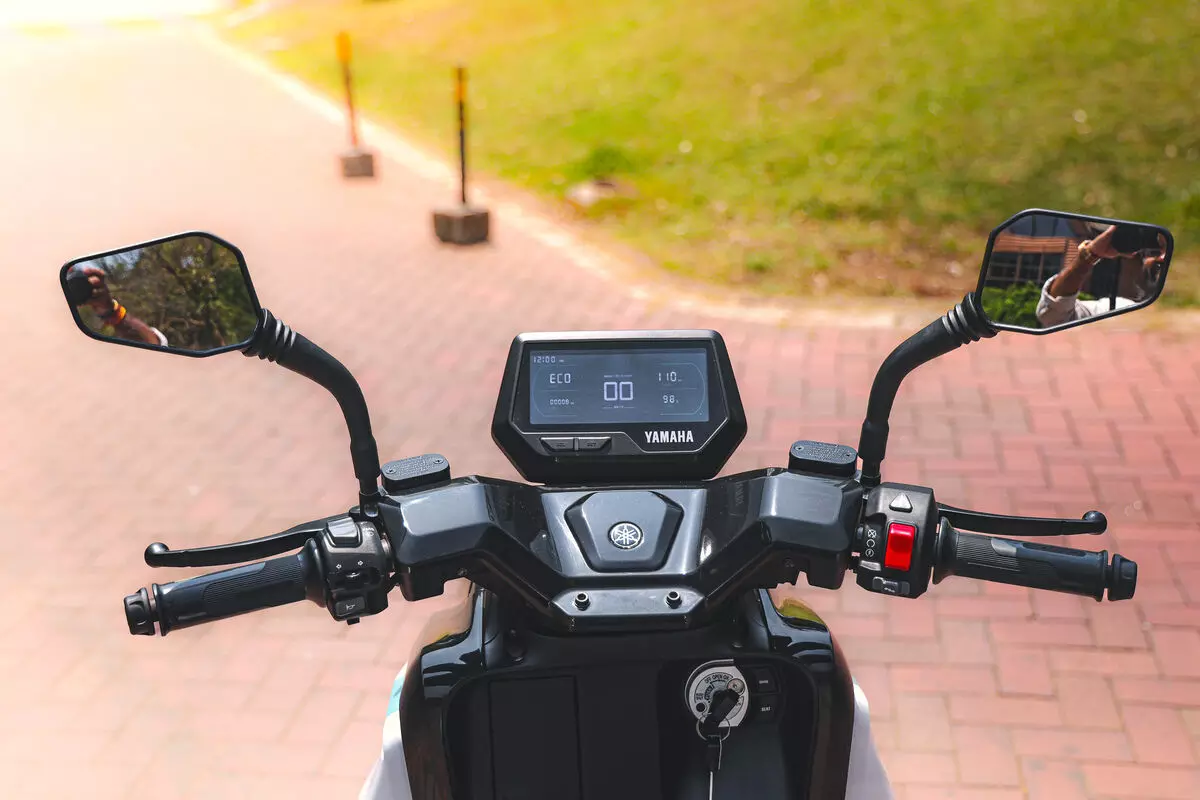
The LCD display on the Yamaha EC-06 is the same as the River Indie – Shot by Rohit G Mane for evo India
Yamaha EC-06 powertrain and performance
Mechanically, too, the EC-06 remains close to the Indie. It gets a 4kWh battery pack, paired with an electric motor producing 9bhp with a claimed top speed of 79kmph. Yamaha claims an IDC range of 169km, which is 9km higher than what the Indie offers. That could be down to a few things – lower weight (132kg, from 143kg), and a slightly calmer tune of the motor.
This isn’t a scooter that’s trying to be aggressive or exciting, though it does have strong grunt for quick overtakes and even keeps up with traffic comfortably. The performance remains uniform as well, as in whether you’re riding solo, with a pillion, or carrying some load, there isn’t a drastic drop in how it responds. The throttle calibration is smooth, the power delivery is predictable, and overall, it feels easy to ride.
Yamaha EC-06 ride and handling
The ride quality of the EC-06 is also tuned to be slightly different from the Indie’s. Despite sharing its underpinnings with the Indie, the EC-06 brings in necessary changes according to its positioning. Like with the Indie, the chassis feels stable and planted, especially mid-corner and at higher speeds. However, unlike the Indie, which had a more rugged, go-anywhere feel, the EC-06 feels more suited for city roads, and bad roads tend to unsettle it a bit more. On a good note, the lower weight does make the EC-06 easier to handle, especially at slower speeds. Braking hardware remains the same – disc brakes at both ends with CBS, and like the Indie, there’s adequate stopping power.
Yamaha EC-06 verdict
So is the EC-06 any good? In simple terms, yes. Yamaha has taken a highly practical, utility-first scooter and given it a polished, more design-led makeover. That, I feel, will appeal to more buyers than before. Because the truth is, for all its strengths, the River Indie is never going to be a mass-market product. It is too focused on practicality, and that limits its appeal.
The EC-06 fixes that – or at least, it tries to. It looks better, is compact, and it carries the Yamaha badge, which will matter to a lot of buyers. But in doing so, it also gives up a big part of what made the Indie stand out. And that’s how both of them can stay in the market. Because the EC-06 isn’t a better Indie. It’s a different take on what it could be.
If you want maximum practicality and versatility, the River Indie still makes a strong case for itself. But if you want something that feels more polished, more urban, and easier to ride, the Yamaha EC-06 is the one you should be looking at. Prices are expected to be slightly higher than the Indie, which retails at ₹1.46 lakh (ex-showroom).