

Interviews
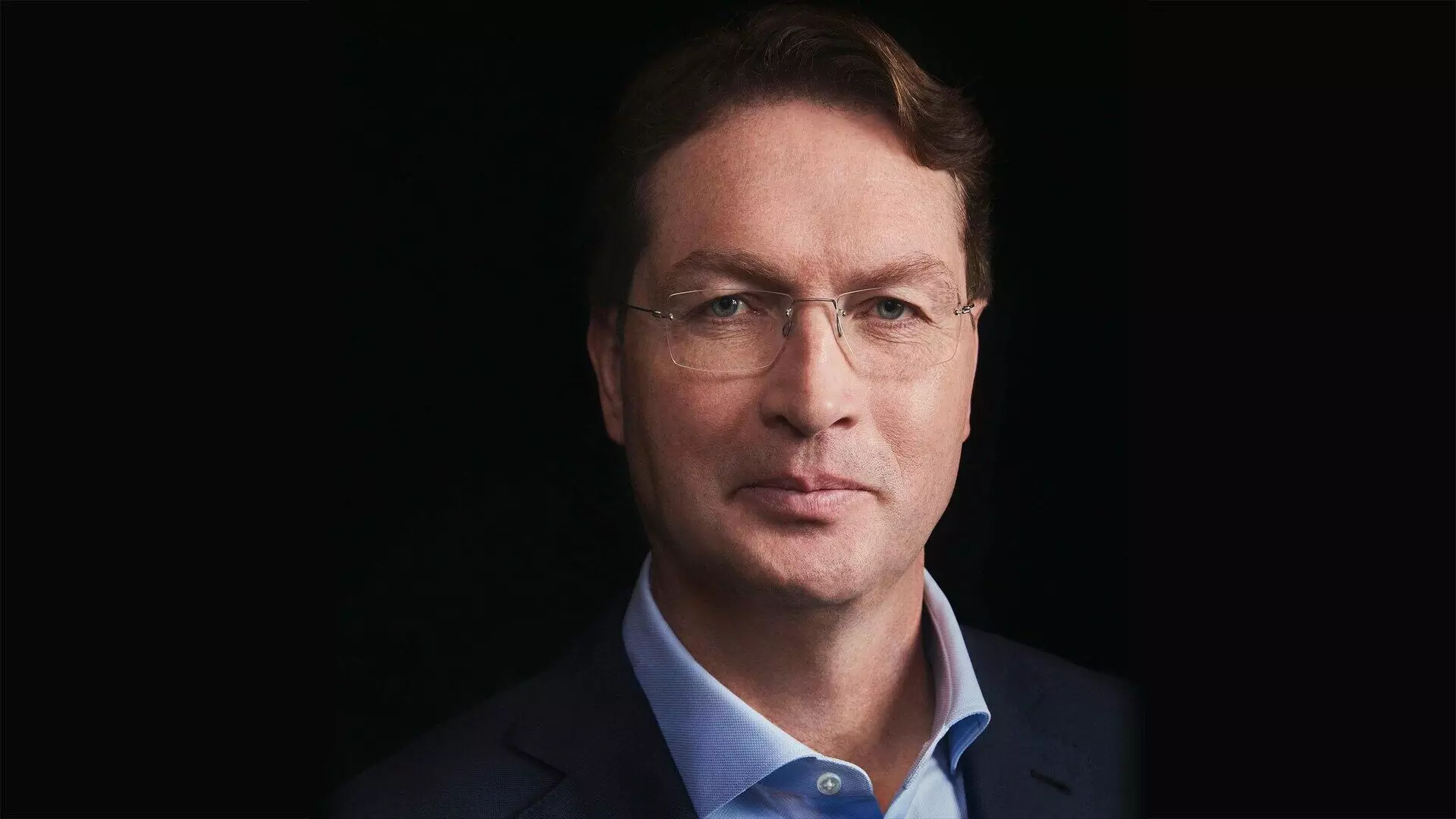
“India is a growth market. So whatever happens, we’re going to grow and continue to invest in India,” says Ola Kallenius, CEO, Mercedes-Benz Group
Mercedes-Benz boss man talks about the brand’s strategic position on the newly signed free trade agreement between European Union and India
India and the European Union (EU) have recently agreed upon a new free trade policy which entails significant cuts on tariff or import duties on fully built passenger cars from the EU. This revised policy aims to bring the levied rate of duty from 110 per cent down to 10 per cent under an annual quota of an approximate 250,000 vehicles. This substantial concession however, will take place in a gradual and phased manner starting from 30-40 per cent in the early years before settling on the proposed 10 per cent rate of duty on eligible cars. It will only benefit high-end European and luxury cars from brands such as Mercedes-Benz, which will become available at a more competitive price point in the Indian market.
Ola Kallenius, CEO, Mercedes-Benz Group, shared his insights on the said policy change from the show floor of the 2026 Mercedes-Benz S-Class unveil, marking the 140th anniversary of the three-pointed star car brand. Following are some excerpts from the conversation between our Ed, Sirish Chandran and the M-B boss man himself.
The new EU-India FTA will make products from luxury brands like Mercedes-Benz more competitive in the Indian market
On how will the new FTA policy bring a change to the brand’s presence in India
Kallenius responded while reassuring and reaffirming that India is a market full of opportunities and will continue to be so. The brand will be constantly weighing its growth potential with new models, “Whatever happens, we're going to grow and continue to invest in India. And what the best equilibrium for which model and so on and so forth.”
On what’s in store Mercedes-Benz’ future in India
“I'm absolutely convinced that Mercedes' future in India is a bigger future. I had the privilege during those discussions to talk to both Minister Goyal and Maro Sefcovic, who is the Trade Commissioner for the EU. In a trade agreement, each side cannot get 100 percent of the wish list, it never works like that. I want to applaud them for reaching this goal,” said Kallenius recalling his conversation with Piyush Goyal, Minister of Trade and Commerce in India.
On what is the takeaway for Mercedes-Benz from this EU-India FTA
Ola Kallenius acknowledged the fact that some of these policy changes will take time to mature and thus fully-implemented. He also spelt out their takeaway from the same, “The key questions then going forward in India, growing both of course on the R&D side, fantastic team in Bangalore, second to none. He also praised the performance of the brand’s production team in Pune, Maharashtra.
On the course of action to make the most of this new FTA
Kallenius hinted at the direction the brand might be headed towards, “As the Indian market develops, when does it come to a point for the segments that we serve, that you can go in an even bigger way? That we're going to watch very carefully and make decisions when the time is right.”
It’s worth pointing out that this new EU-India FTA will also have an impact on auto parts and supply chains. It will eventually bring the duties on automotive components that will further contribute to lower manufacturing costs and possibly lead to improved alignment with European supply chains.