

Motorsport Interviews
Harith Noah: ‘Mistakes will happen. It’s about how you deal with them’
After a career-best Dakar and a brutal early exit, India’s top rally rider reflects on preparation, pressure, and the realities of the world’s toughest rally.
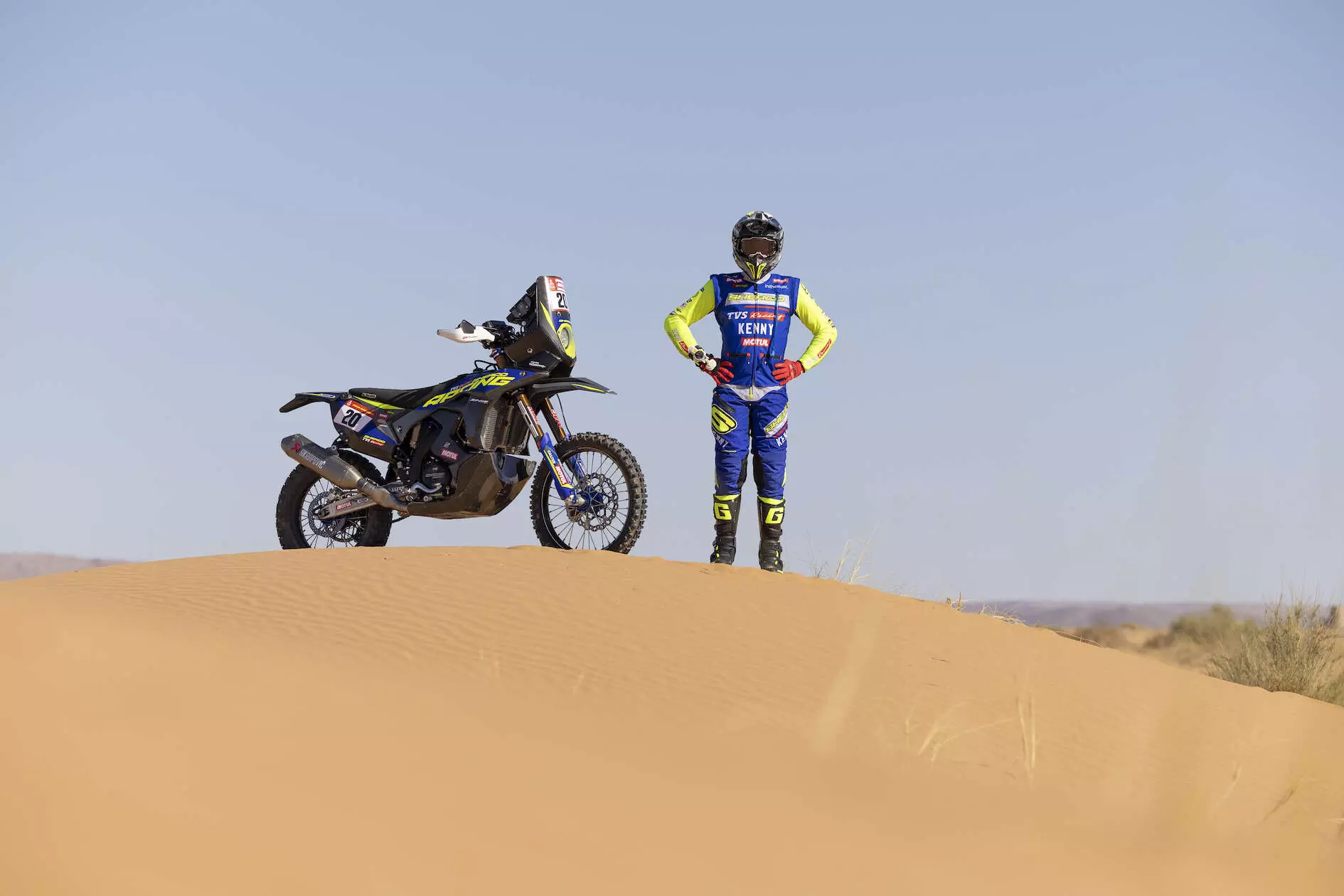
Indian rally racing has, over the last decade, carved out a genuine place on the world stage, and few names define that journey better than Harith Noah. From being inspired by CS Santosh’s historic Dakar finish to becoming the second Indian rider to complete the world’s toughest rally, Noah’s trajectory has been one of patience, resilience and relentless learning.
After taking a career-defining Rally 2 class win and 11th overall at the 2024 Dakar, the best-ever result by an Indian, Noah returned to the desert with renewed confidence and heavier expectations. The most recent Dakar, however, ended almost as soon as it began, with a crash near the end of Stage 1, breaking his T5, T6, T8 vertebrae and a rib. It was a brutal reminder of how unforgiving Dakar can be.
In this wide-ranging conversation before he began the 2026 Dakar, Harith Noah speaks candidly about preparation, training, mindset, learning from mistakes and why, even after setbacks, his approach remains unchanged: focus on the process, not the result.
When does preparation for Dakar really begin for you?
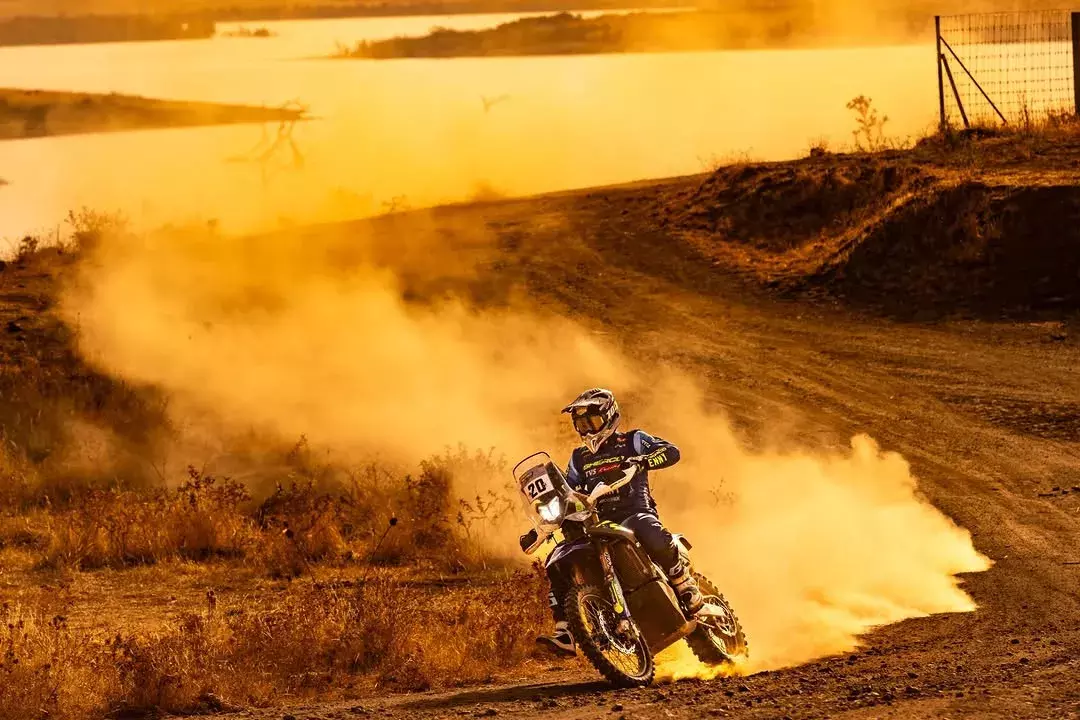
Preparation never really ‘starts’ or ‘stops’ for me; it’s more of a lifestyle. Dakar isn’t the only race of the year, even though it’s the biggest one. There are races throughout the season, so fitness and training are always ongoing. Of course, there’s more intense preparation leading up to Dakar, but it’s not as if I suddenly start training three months beforehand. It’s year-round.
What does a typical training week look like in full Dakar mode?
The month before Dakar, especially December, tends to be a bit slower. You taper off and don’t do anything too risky. November is usually very intense. Some days start with stretching, then three to four hours of riding, followed by gym work, and then a two-to three-hour cycling session in the evening. I cycle around 300km in a good week, on average about 28km a day through the year.
How do you balance physical fitness, riding time, and mental conditioning?
All three are important. Riding ability comes first, then fitness, then mental strength, but you can’t ignore any of them. If you’re unfit, mental strength alone won’t get you through Dakar. We try to work on everything together.
What’s the hardest part of preparation that fans don’t usually see?
Doing it every single day. Riding and training look great on social media, but it’s not once a week; it’s daily. There are days you wake up and really don’t want to train. But those are the days you have to do it. You never regret training after you’ve done it; the regret only comes when you skip it.
How different is your preparation now compared to your first Dakar in 2020?
It’s very different. Every year, you learn something new and correct mistakes. Injuries also change how you train. Small niggles are always there in this sport. Bigger injuries, like breaking my back, don’t affect me now, but some things, like my wrist, still aren’t 100 percent. That’s part of racing.
Which rallies did you contest leading up to Dakar, and why?
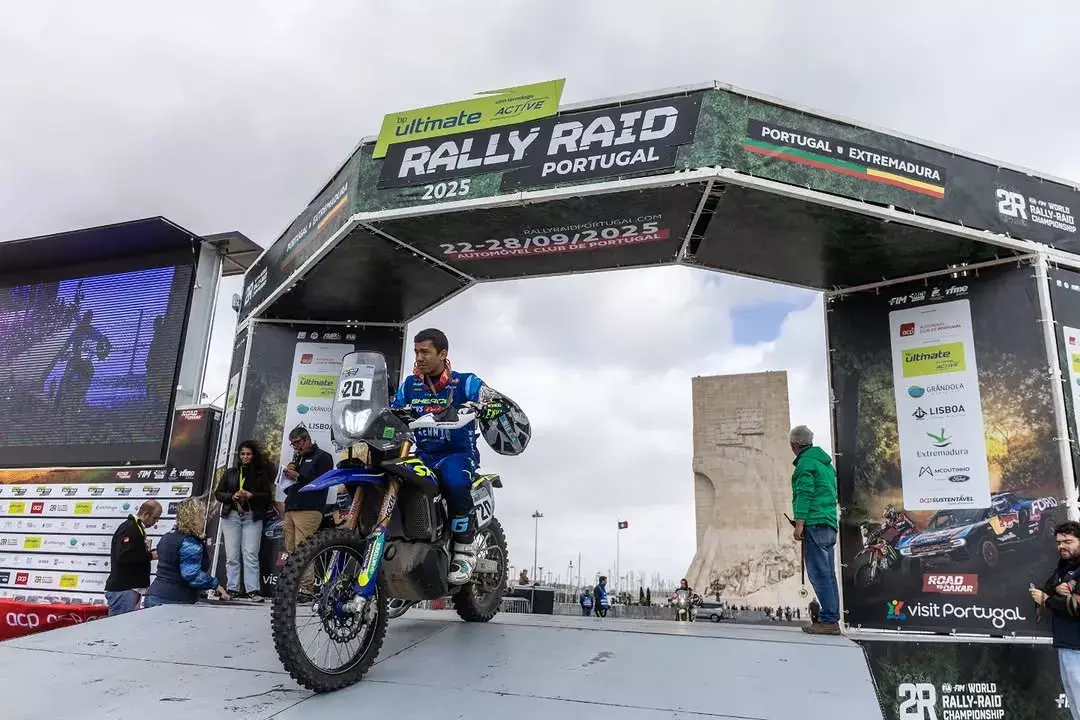
At the start of the year, the team and I sit down and plan the season. Most of our races are W2RC rounds in Portugal, South Africa, and Morocco. These are chosen because they help us improve as a team and rider.
How important are these rallies before Dakar?
They’re very important. Portugal and South Africa are more closed-track rallies with less navigation. Morocco is the most Dakar-like, open desert, roadbooks, and it happens just before Dakar, which makes it ideal preparation.
Your results have steadily improved over the years. What’s changed most?
Earlier, I focused more on fitness and less on riding. Now I’m trying to maximise riding time. Navigation also keeps improving the more hours you put in. Progress isn’t always linear, sometimes you have to go down to go up again.
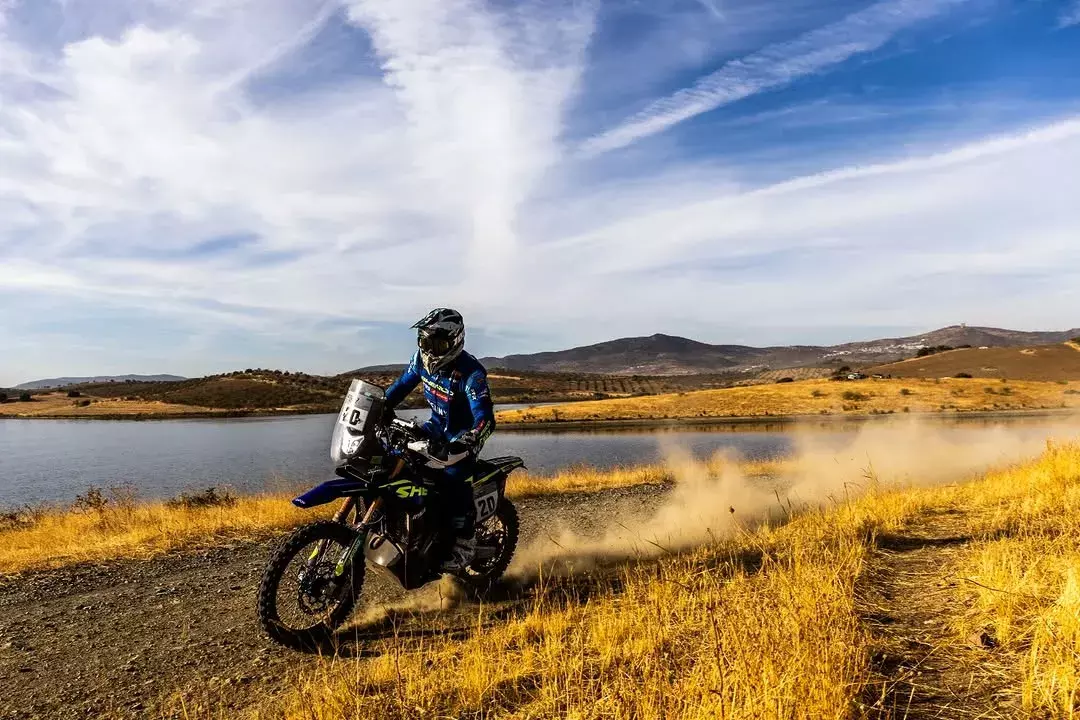
Has your riding style changed since moving from Supercross to rallying?
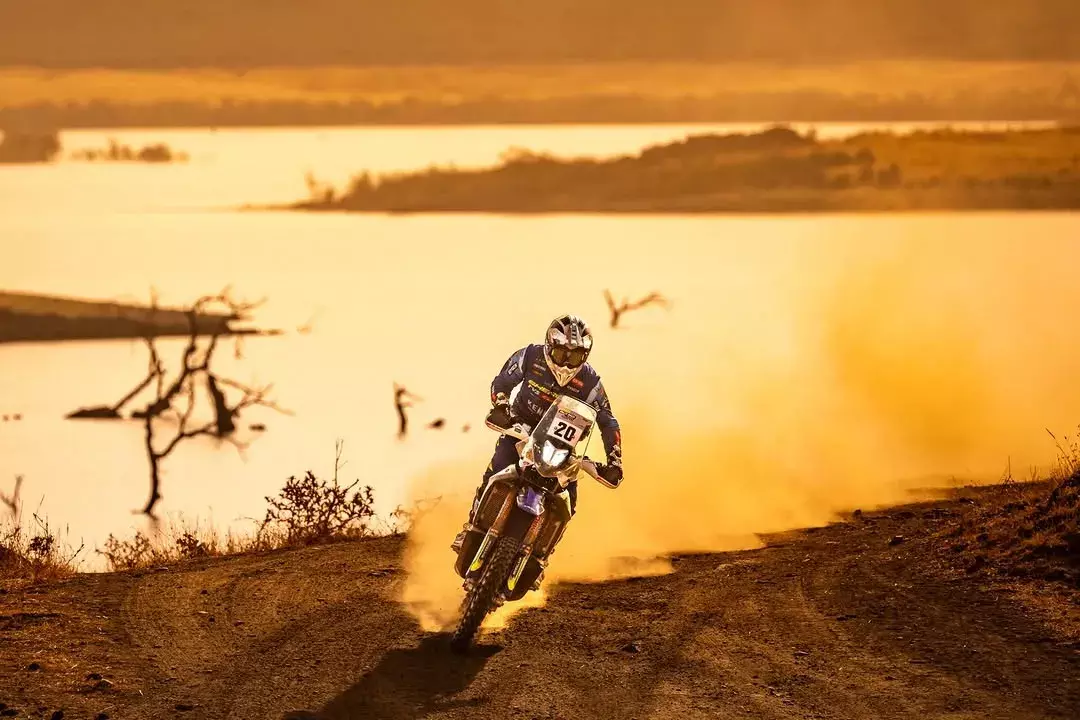
Completely. In rallies, you need to conserve energy. You can’t go flat-out for hours. You have to decide when to push and when to hold back, especially when you’re riding into the unknown.
How crucial is navigation training now?
It’s extremely important. I even train navigation on the PlayStation, at least one stage every day. It’s not a substitute for real riding, but it helps. We also do extensive desert training with the team, especially in Morocco.
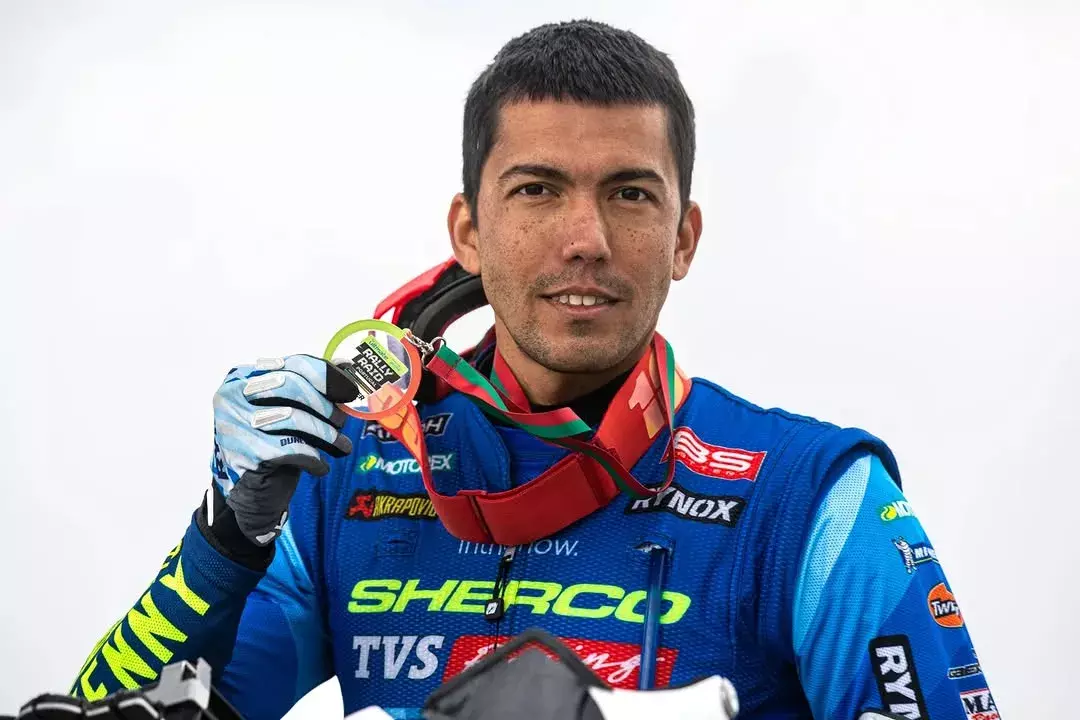
Do you work with a coach?
Fitness and race strategy I handle myself. For the mental side, I work with a coach. One thing we’ve done since my first Dakar is avoid looking at results during the race.
What were your first impressions of the latest Dakar route?
It looks very tough, especially the first week. The marathon stages in cold conditions worry me; I struggle in extreme cold. The second week looks slightly better, but overall it’s a demanding route.
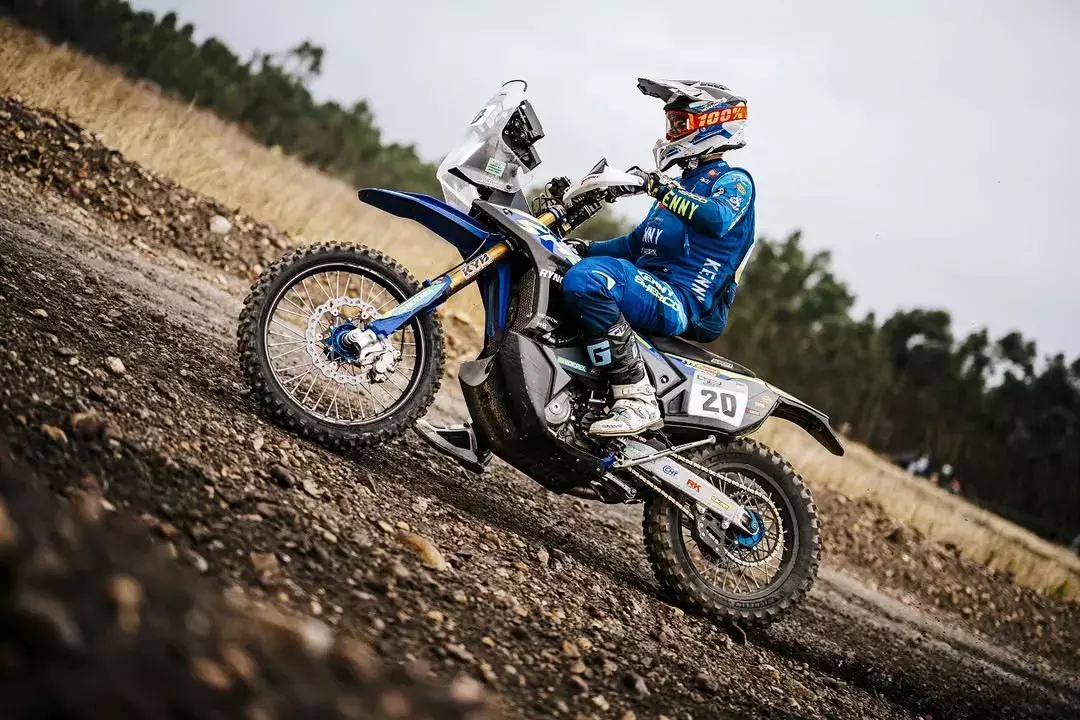
Which stages suit you best?
Fast, smooth stages with gravel. Rocks and dunes aren’t my strongest, but I manage.
Which stage tested you the most at Dakar 2024?
Stage 11 was very rocky, and combined with navigation mistakes and fatigue, it became extremely difficult.
How do you decide when to push and when to hold back?
When navigation or technical difficulty increases, you back off. When it gets easier, you push. You have to switch modes quickly and hope you’ve judged it right.
Finishing just six minutes outside the overall top 10 in 2024, does that frustrate you?
A bit, yes. If I’d ridden the first week like the second, a top 10 was possible. But I believe you finish where you deserve to finish. ‘Could have’ and ‘should have’ don’t change anything.
Does carrying the tag of Rally 2 winner add pressure?
Yes, even if you don’t want it to. I try to ignore it and remind myself I’m the same rider as before. One good Dakar doesn’t change who I am.
How do you stay calm when things go wrong mid-stage?
Sometimes you don’t, and that leads to more mistakes. But I try to take a deep breath, accept that it’s done, and focus on not making the next mistake.
Has your Rally 2 win changed how Indian riders are perceived globally?
I think things have changed, yes, but it’s hard to say exactly how.
What’s the plan for the rest of the season?
Racing. Actual racing is the best training and testing you can do. That’s where you really learn.
Are there any rallies you still want to add to your calendar?
I’m already part of the biggest one, Dakar. If we can keep doing W2RC rounds, good results and maybe a world championship podium are possible someday.
Consistency or outright speed, what matters more now?
Consistency. Especially over 13 days.
Is there a specific milestone you’re chasing next?
For me, it’s racing one kilometre at a time. If I can do that, I’ll be happy.
What advice would you give young Indian riders dreaming of rally racing?
A lot is possible, even winning Dakar. But consistency is key. When you start, don’t focus on speed. Focus on going the right way. Do that for the first few years, and then build from there.
Harith Noah’s story isn’t defined by one result; good or bad. From a historic Rally 2 victory to the heartbreak of an early Dakar exit, his outlook remains refreshingly grounded. Dakar, he reminds us, is never straightforward. Mistakes will happen. What matters is how you respond.
For Indian motorsport, Noah continuaes to be proof that with patience, preparation, and perspective, the toughest rally in the world isn’t out of reach, even when it pushes back harder than ever.